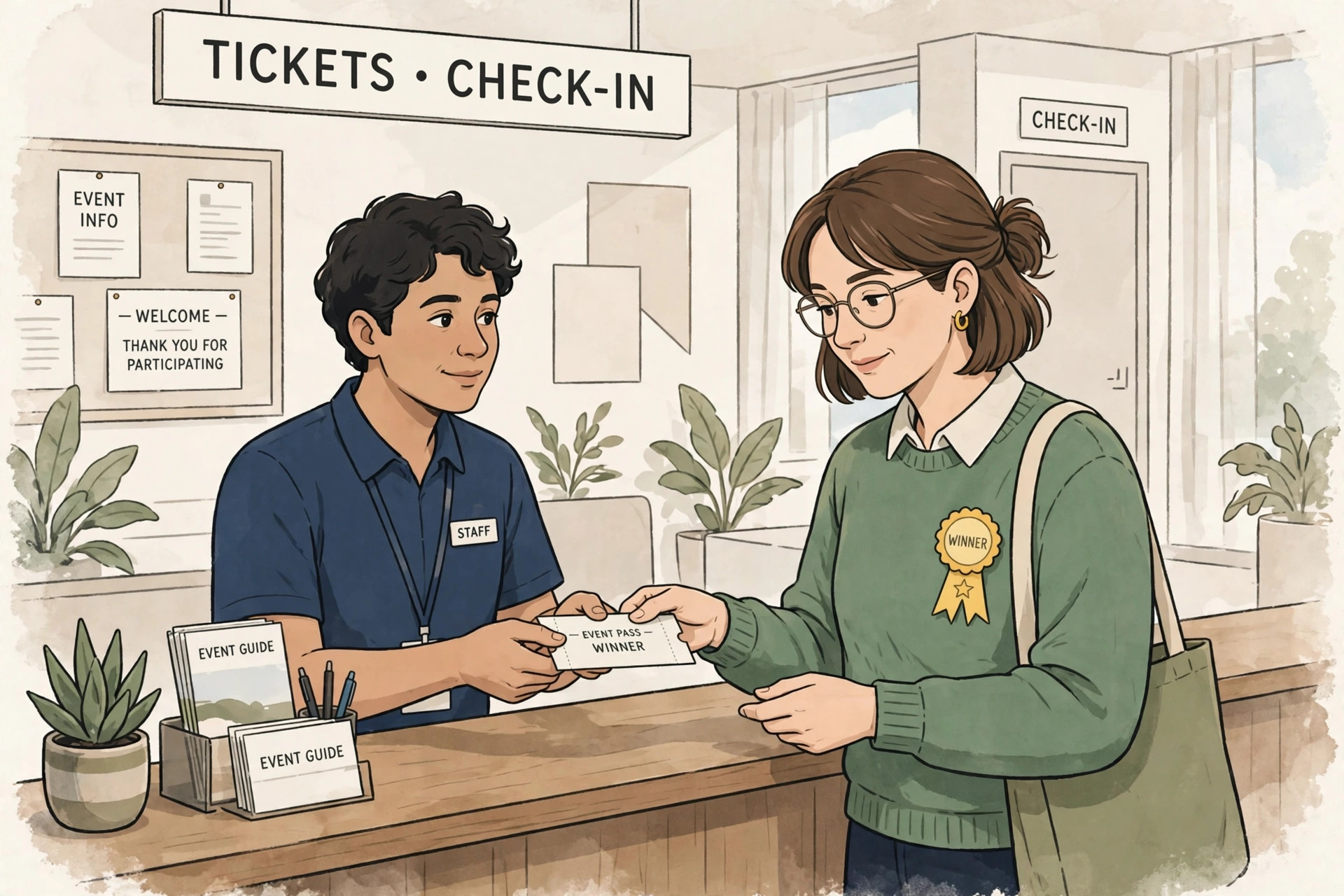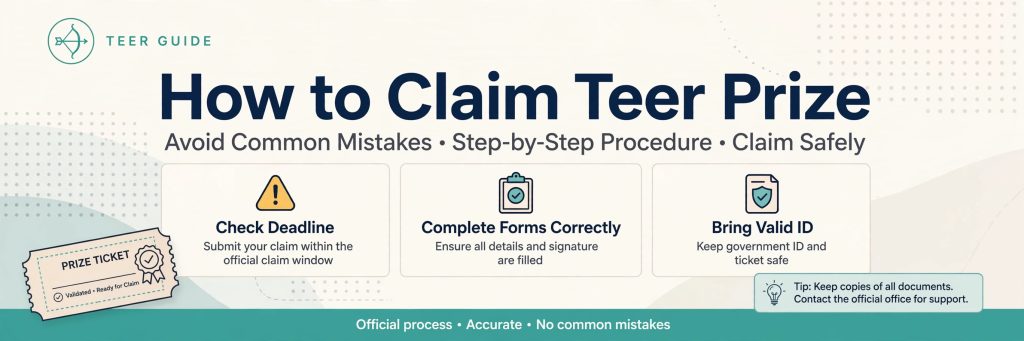
Winning is the fun part. Claiming is where money is actually lost, not to bad luck but to avoidable mistakes. Every month, genuine teer winners damage their tickets, visit the wrong counter, fill forms incorrectly, miss deadlines, or fall for scams. If you want to know how to claim teer prize money without learning these lessons the hard way, study the mistakes below and simply do the opposite. This guide collects the most common errors winners make and the easy fixes for each one.
Teer is a legal archery based lottery in Meghalaya, organised in Shillong by the Khasi Hills Archery Sports Association and by authorised bodies in Juwai, Khanapara, and Jowai. The claim process itself is simple. The mistakes are what complicate it. Read this once, and your claim will be among the smooth ones.
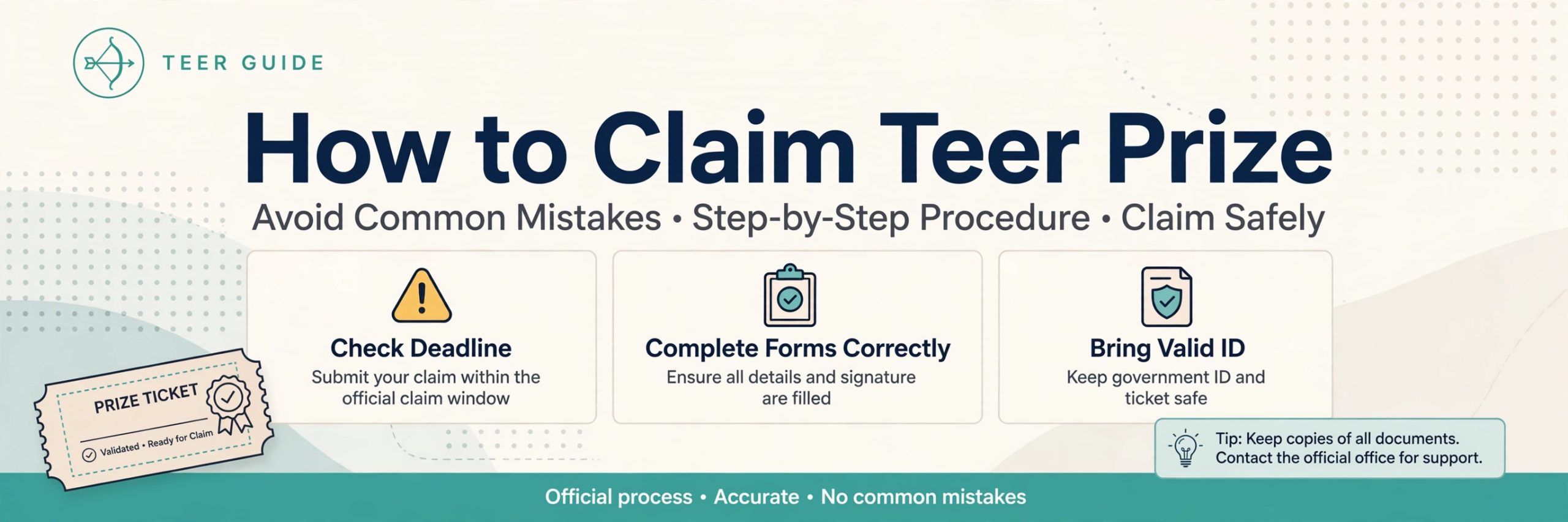
How to Claim Teer Prize – Why Mistakes Cost Real Money
A mistake during a claim does not just cause embarrassment. It costs time, and time is the one resource a prize claim cannot spare, because claim windows are limited. A damaged ticket can add days of verification. A wrong counter visit wastes a trip. A missed deadline costs the entire prize. None of these errors are difficult to avoid. They happen because winners act on excitement instead of information. The fixes in this guide take minutes. The mistakes they prevent can cost everything.
Ticket Mistakes – The Expensive Basics
Almost every claim problem traces back to how the ticket was handled. Get these three right and half the battle is won.
Mistake 1 – Not signing the ticket
An unsigned winning ticket is an invitation to trouble. If you lose it, anyone who finds it can present it as their own, and proving otherwise becomes your burden. The fix is immediate: sign the back of the ticket with your usual signature the moment you discover the win, and add the date. Use the same signature you will put on the claim form.
Mistake 2 – Damaging the ticket
Tickets left in sunlight fade. Tickets in wet pockets smudge. Tickets folded a hundred times crack along the print. Counters verify tickets against sale records, and every unreadable digit slows that down. The fix is a sleeve, an envelope, or even a folded paper wrap from day one. Handle the ticket like cash, because that is what it is.
Mistake 3 – Losing the ticket entirely
The ultimate ticket mistake is losing it. Without the original ticket, a claim is extremely difficult, no matter how sure you are of your numbers. The fix is a fixed storage place from the moment of purchase, plus photographs of both sides as backup evidence. Photos do not replace the ticket, but they prove what it showed.
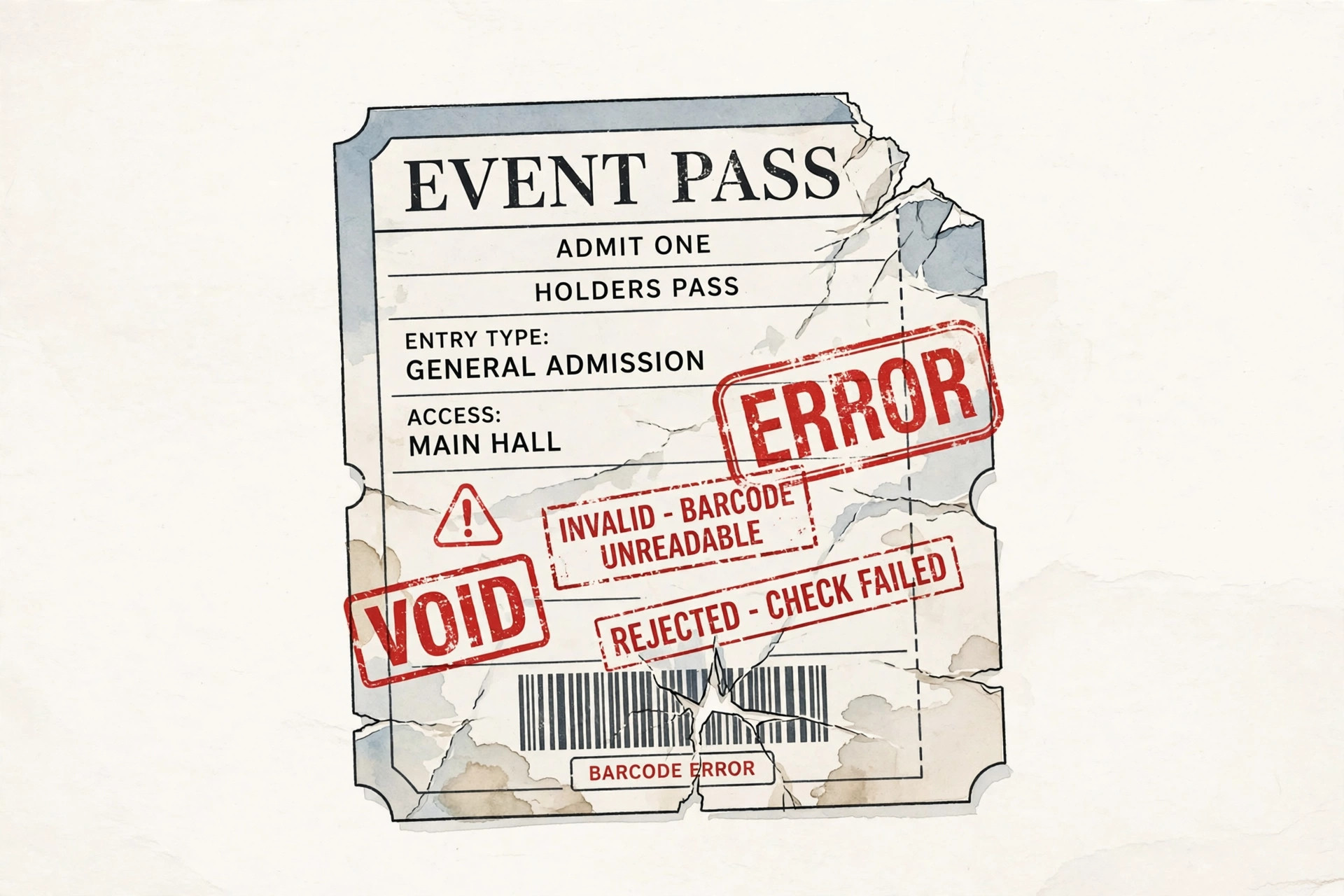
Verification Mistakes – Wrong Round, Wrong Date, Wrong Market
Excitement makes people misread. The classic errors are celebrating a first round number against a second round ticket, matching the wrong date, or mixing up markets like Shillong and Juwai. Each of these sends you to the counter with false confidence and costs you a wasted trip at best.
The fix is a three point check before every counter visit: date on the ticket matches the result date, market on the ticket matches the result market, round on the ticket matches the result round. Verify on a reliable source such as the Best Teer Result homepage, and use the teer result list archive when you need to confirm an older draw. If you hold multiple tickets, check each one separately. Never assume.
Why the three point check fails so often
Most verification mistakes happen because players check results from memory instead of from the ticket. They remember playing Shillong in the afternoon but actually hold a Juwai morning ticket. They glance at the first round number on a website and forget their ticket was for the second round. The ticket is the single source of truth, so read it line by line: the printed date, the market name, and the round code. Only after you have those three facts in front of you should you open a result page. This order of operations alone prevents the majority of false celebrations.
Counter Mistakes – Wrong Place, Wrong Time
Two counter errors recur constantly. The first is visiting a different counter than the one that sold the ticket. Only the selling counter holds the matching sale records, so any other counter must turn you away or redirect you. Always start where you bought the ticket.
The second is bad timing. Arriving at closing time, on a Sunday when no games run, or during the busiest hour means rushed staff and longer waits. Visit during working hours, earlier in the day when possible, and never on the last day of your claim window if you can avoid it. A calm counter visit on day one beats a panicked visit on the final day every time.
What to bring to the counter
Winners often arrive unprepared and have to make a second trip. Carry the original winning ticket in its protective sleeve, a government photo ID with a name matching your ticket signature, a pen for filling the form, and your phone with the result page saved in case verification is needed. If you bought multiple tickets and more than one won, bring them all and keep them separated so you do not mix up which form belongs to which ticket.
Paperwork Mistakes – Forms and IDs
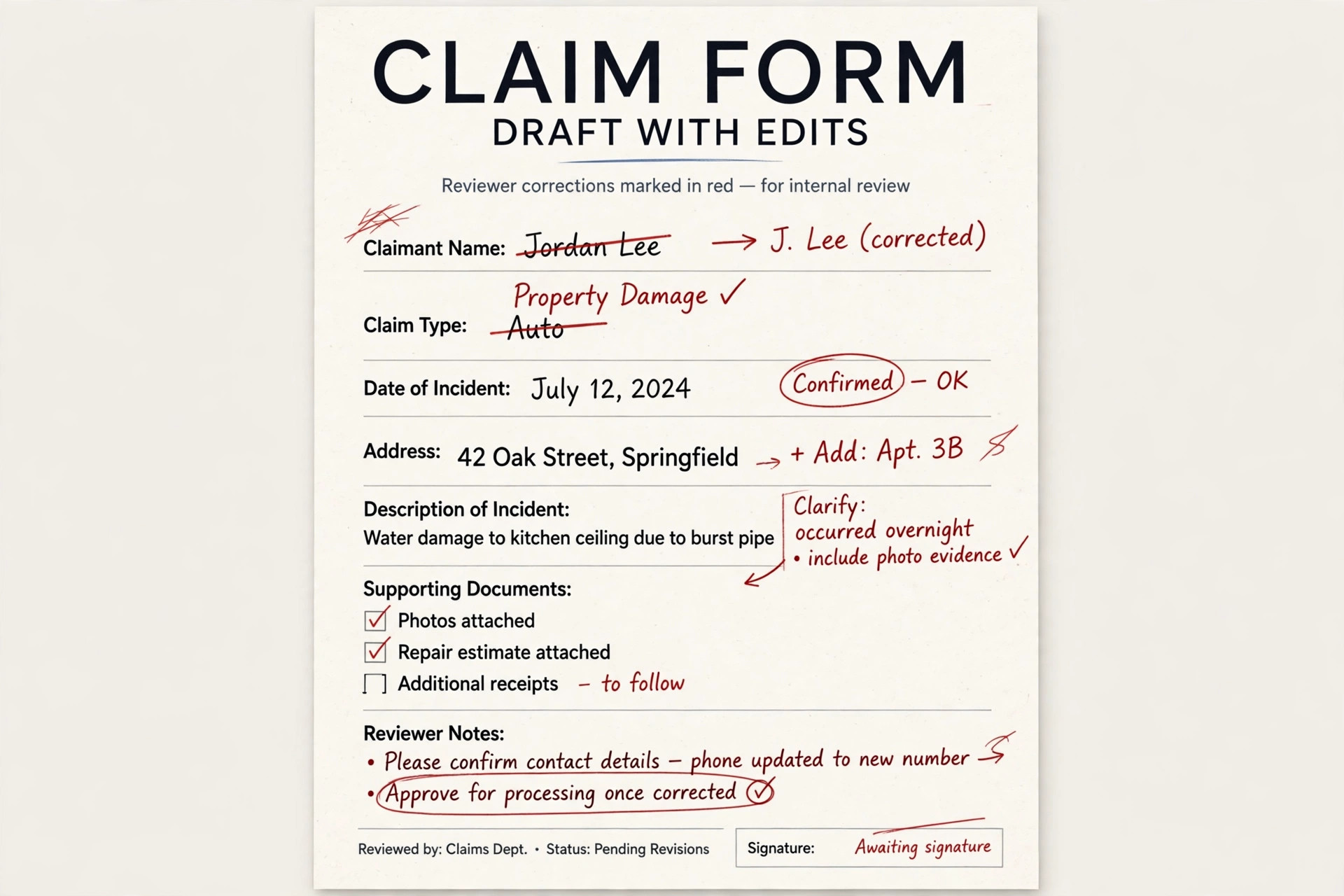
Paperwork errors are the most frustrating because they are entirely self inflicted. The claim form asks for simple details, yet winners regularly enter wrong ticket numbers, tick the wrong round, or sign differently from the ticket signature. Each error sends the form back for correction.
The fixes are boring and effective. Carry a government photo ID whose name matches your ticket signature. Fill the form slowly and read it once before submitting. Enter the ticket number digit by digit against the ticket itself. Sign exactly as you signed the ticket back. Bring a pen, because borrowing one at a busy counter adds silly friction. These details decide whether verification takes minutes or days.
The signature mismatch trap
One specific paperwork error deserves its own warning: signing the form differently from the ticket. In the excitement of winning, people scribble a quick signature on the form that looks nothing like the careful one they wrote on the ticket back. Staff compare the two, and a mismatch triggers extra identity checks. Decide on your standard signature before you sign the ticket, then reproduce it exactly on the form. If your signature has changed over the years, make sure your photo ID signature is at least consistent with the one you use now.
How to Claim Teer Prize – Market by Market Process
The claim process is not identical everywhere teer is played. Shillong, Juwai, Khanapara, and Jowai each run under their own organising body, and the details of where and how you claim can differ. Knowing these differences before you travel saves confusion.
Shillong
Shillong teer is run by the Khasi Hills Archery Sports Association, and claims go through the selling counter network in the city. Because Shillong has the largest number of counters, double check that you return to the exact counter printed on your ticket, not merely a nearby one. Sale records are counter specific.
Juwai
Juwai runs its own morning and afternoon draws, and its counters operate independently of Shillong. A Juwai ticket cannot be claimed at a Shillong counter even though both are in Meghalaya. Players who split their tickets across markets must keep the claims separate and visit each selling counter in turn.
Khanapara
Khanapara teer is played in Assam and organised under that state’s regulatory framework. This matters for tax paperwork and for any official correspondence, because the organising body and its documentation differ from the Meghalaya markets. Keep your Khanapara claims and records grouped separately from any Meghalaya tickets you hold.
Jowai and Ladrymbai
Jowai and Ladrymbai are smaller markets with fewer counters and more limited office hours. Winners here should plan the visit with extra care: confirm the counter is open before travelling, and avoid the final day of the claim window, because there are fewer staff to resolve last minute problems. The same rules apply, but the margin for error is thinner.
Prize Tier Mistakes – Misunderstanding What You Won
A surprisingly common error is arriving at the counter expecting the wrong amount. Teer prizes differ by round, and misunderstanding the payout structure leads to arguments, disappointment, or even leaving money behind.
FR versus SR payouts
First round and second round payouts are not the same, and the exact multiple can vary between markets. Never calculate your winnings from a memory of last year’s chart. Ask the counter staff or consult the official payout notice displayed at the counter before you accept payment. If the amount seems off, ask politely for the calculation to be shown against the published chart rather than assuming an error in your favour or theirs.
Single ticket versus multiple tickets
Players who hold several tickets sometimes confuse which ticket won which round. Each winning ticket is a separate claim with its own form, and the round marked on each ticket must match the result for that round. Process tickets one at a time: verify ticket one, claim ticket one, then move to ticket two. Batching them mentally is how round mismatches slip through.
The multiple win trap
If you win on more than one ticket, do not announce the total amount you are about to collect at the counter. Each claim is handled independently, and drawing attention to a large combined total is simply unnecessary. Stay calm, process each claim quietly, and keep the receipts separate so your records stay clean.
Money Mistakes – Payment and Tax Errors
Mistakes continue after the prize is approved. Some winners walk away without counting the cash, only to discover a shortfall later when nothing can be done. Always count at the counter and check the amount against the payout chart. Always collect a receipt showing the date, ticket details, and amount paid.
The bigger money mistake is ignoring tax. Lottery winnings are taxable income in India, and tax may be deducted at source on prizes above the legal threshold. Winners who spend the full amount and face a tax notice later regret it deeply. Keep your receipt and payment proof, and consult a tax professional for large prizes. Official information on regulated activities is available on the Meghalaya government portal.
The immediate spending mistake
The most human error of all is spending the prize the same day it is received. Big cash wins create a spending impulse, and winners who give in often regret the largest purchases within weeks. A simple discipline helps: keep the money untouched for a fixed period, such as two weeks, while you plan. Pay down urgent debt first, set aside the tax portion if applicable, and only then decide what the remainder is for. A prize that disappears in a day is barely a prize at all.
Timing Mistakes – The First 48 Hours After the Draw
What you do in the first two days after the draw shapes the whole claim. Winners make predictable timing errors, and all of them are easy to avoid once you know the pattern.
Checking too fast
Some players check the result within minutes of the declaration, misread a partially updated page, and believe they have won when the final number is different. Wait until the result is confirmed by a reliable source before celebrating. A result page that shows a dash or placeholder instead of a number is not finished yet. Patience for an hour beats a false celebration and a wasted counter trip.
The announcement trap
Winners love to share good news, but the first 48 hours are the wrong time. Telling friends, posting on social media, or celebrating publicly before the money is claimed exposes you to scammers and to false claimants who may complicate the process. The rule is simple: the win becomes news after the receipt is in your hands, not before.
Planning the counter visit
Use the first day to prepare, not to rush. Confirm the date, market, and round. Sign and photograph the ticket. Check the counter’s working hours. Then visit early on the second day with everything in order. Winners who rush to the counter on day one with an unsigned ticket and no ID often end up making the trip twice anyway.
Record Keeping Mistakes – After the Money Changes Hands
The claim does not end when the cash is handed over. Poor record keeping after the claim causes problems with tax, with disputes, and with your own memory of what happened.
Filing your receipts
Every claim produces paper: the claim form copy, the payment receipt, and sometimes a deduction statement. File all of them together in one envelope marked with the draw date and market, and keep that envelope for at least a year. If any question arises later, this file is your answer.
Photos and copies
Photograph the receipt alongside the winning ticket before you file them. This creates a digital backup that survives even if the paper fades or is lost. Store these photos in a cloud album or a separate folder, not only on the phone you carry daily. A two minute photo session now prevents hours of reconstruction later.
Tax paperwork for large prizes
For larger wins, keep a dedicated record: the receipt, any tax deducted at source certificate, bank deposit slips if you banked the amount, and notes from any consultation with a tax professional. Lottery winnings in India are subject to tax rules that can change, and having complete paperwork makes filing straightforward instead of stressful. When in doubt, consult a qualified professional rather than relying on counter staff for tax advice.
Trust Mistakes – Scams and Middlemen
Winning tickets attract the wrong kind of attention, and the mistakes here are the most dangerous. Never announce your win publicly before the money is claimed. Never pay anyone an advance fee to “release” your prize. The official claim process is free, and anyone demanding payment is running a scam. Never hand your ticket to an unofficial middleman who promises to claim for you for a commission. If a counter behaves suspiciously, escalate to the organising body with names, dates, and copies, rather than arguing on the spot.
A quiet winner who deals only with the official counter and the organiser is a safe winner. Noise and shortcuts invite exactly the people you want to avoid.
The fake official scam
The most common scam is a message or call from someone posing as an official, claiming your prize is ready but a processing fee is required first. Officials never operate this way. The claim happens at the counter, in person, with your ticket and ID, and no fee is charged at any stage. Treat any request for advance payment as fraud, cut contact, and report it to the organising body and the police if needed.
The helpful stranger trap
Another pattern is the helpful stranger who offers to speed up your claim for a share of the winnings. There is nothing to speed up: the process is the same for everyone, and handing your ticket to a stranger is handing them your money. Decline every such offer, no matter how convincing the story.
How to Claim Teer Prize Winnings the Right Way – A Clean Run
Here is what a mistake free claim looks like end to end. You check the result on draw day and confirm date, market, and round. You sign the ticket, photograph it, and store it safely. You visit the selling counter the next morning with the original ticket and a matching photo ID. You fill the claim form carefully and sign it consistently. You count the payment, collect the receipt, and file everything for at least a year. No drama, no second trips, no lost money. That is the standard. Every mistake in this guide is simply a deviation from it.

Frequently Asked Questions
What is the single biggest mistake in how to claim teer prize money?
Not protecting the ticket. Unsigned, damaged, or lost tickets cause more failed and delayed claims than all other mistakes combined. Sign it, sleeve it, and photograph it immediately.
Can a small form error really delay my claim?
Yes. A wrong ticket number or wrong round sends your claim down the wrong verification path and forces corrections. Read the form once before submitting and the delay never happens.
Is it a mistake to claim on the last day of the window?
It is a serious risk. Any small issue becomes unfixable under time pressure, and a missed cutoff means losing the prize. Claim within days of the draw, not at the deadline.
Should I tell friends about my win before claiming?
No. Keep it private until the money is safely claimed and the receipt is filed. Public announcements attract scammers and false claimants.
What should I do if someone demands a fee to release my prize?
Refuse and report. The official process charges no fee at any stage. Demands for advance payment are scams, full stop.
Is skipping the receipt a real mistake?
Absolutely. The receipt is your proof of payment with date, ticket details, and amount. Without it, any later question about your claim becomes your word against the records.
How long do I have to claim a teer prize?
Claim windows are limited, and the exact period is set by the organising body of the market where you played. Do not assume any standard duration: ask the selling counter or check the official notice at the time of the draw. The safe habit is to claim within days of the draw, which removes the question entirely.
Can someone else claim my prize for me?
In general, no. Claims require the original ticket, the winner’s photo ID, and a signature matching the one on the ticket. Sending a friend or relative invites identity questions and possible rejection. Go yourself, with your own documents.
What happens if my ticket is slightly torn but readable?
A ticket that is readable and verifiable against sale records can usually still be processed, but expect extra verification steps and possibly a longer wait. This is exactly why protecting the ticket from day one matters: a clean ticket sails through while a torn one sits in a verification queue.
Do I need to pay tax on a small teer win?
Tax rules apply to lottery winnings in India, and tax may be deducted at source on prizes above a legal threshold. Small wins may fall below that threshold, but the rules can change, so keep your receipt and check the current rules or consult a tax professional if you are unsure.
Which market’s result should I match my ticket against?
Always the market printed on your ticket. A Shillong ticket is checked only against the Shillong result, a Juwai ticket only against the Juwai result, and the same for Khanapara and Jowai. Mixing markets is one of the most common false celebrations, so read the ticket first.
Where can I learn the background of the teer game?
The teer archery lottery has a long history in Meghalaya. You can read a general overview on the Teer Wikipedia page to understand how the game developed and how it is organised today.
Conclusion
Every mistake in this guide has been made by real winners, and every one was avoidable. Protect the ticket, verify carefully, visit the right counter early, handle paperwork cleanly, count your money, keep your receipt, and trust only official channels. That is how to claim teer prize money without giving luck a second chance to take it away. Play responsibly, remembering that teer is a legal lottery in Meghalaya for adults 18 and above, and whether you check the Shillong Teer result or the Juwai Teer result page, let every win be claimed cleanly.