A juwai teer previous result looks simple: a date and two numbers. But each part of that simple format carries meaning, and readers who understand the format fully make fewer mistakes, ask better questions, and never get fooled by misleading screenshots. This guide takes the format apart piece by piece and explains what everything means, why it is shown that way, and how to read any old Juwai teer record with total confidence.
Juwai teer is a legal archery based lottery in Meghalaya. Each working day, archers shoot at targets in two rounds. Officials count the hits, and the last two digits of each count become the winning numbers for the first round (FR) and second round (SR). Best Teer Result publishes each day’s numbers on our homepage as they are declared, then preserves them in the dated archive where every juwai teer previous result keeps the same clean format forever.
The Standard Format, Piece by Piece
Every previous result entry on this site follows one standard layout. Once you learn it, you can read any entry from any date without hesitation.
Date. The full date of the game day: day, month, and year. The date is the entry’s identity. Without it, the numbers mean nothing.
Market label. The name of the game, in this case Juwai, sometimes with the session noted as morning or day. The label guarantees you are reading the right game’s history.
FR. The first round number: the last two digits of the hit count from the day’s first archery session.
SR. The second round number: the last two digits of the hit count from the second session, independent of the first.
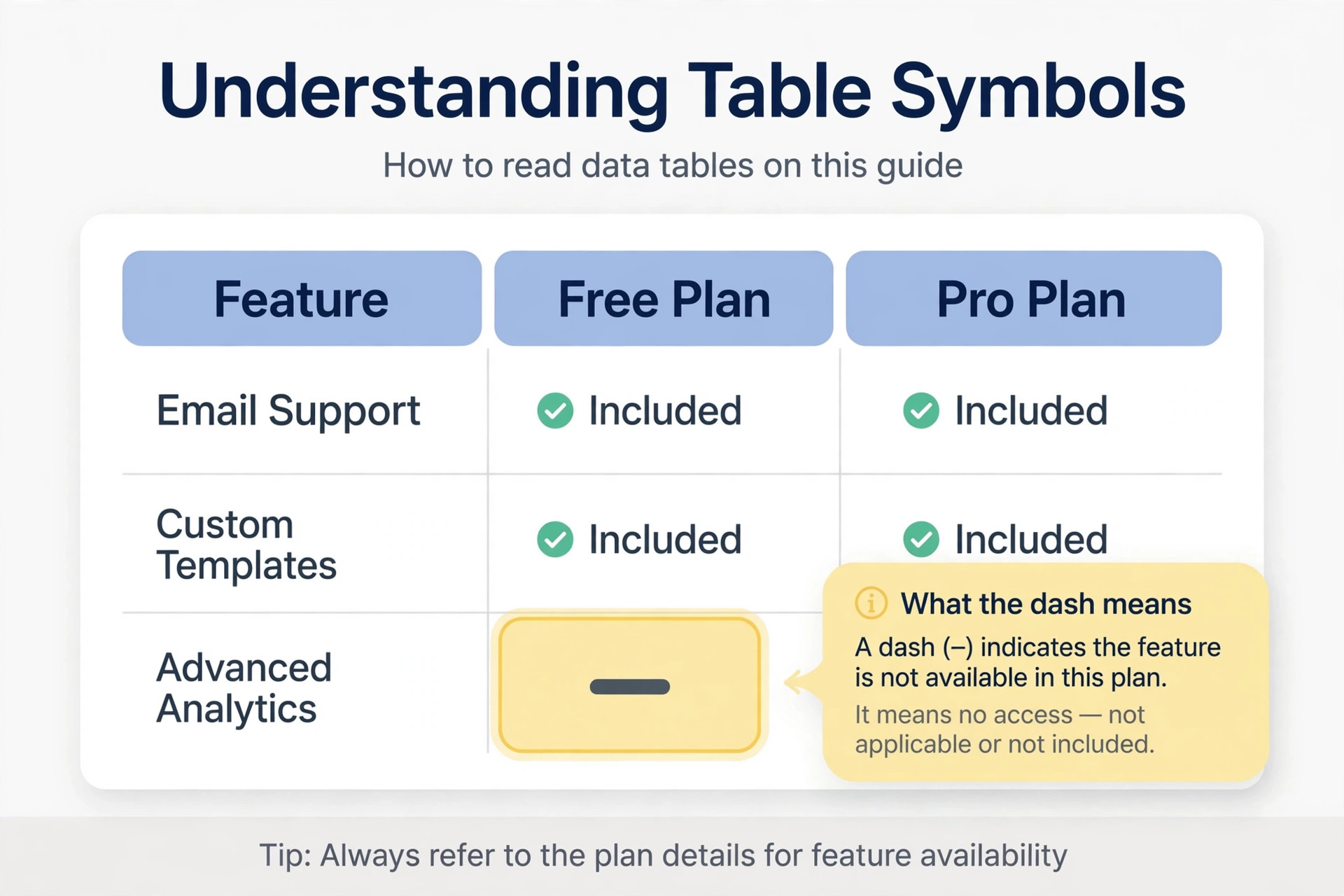
Dash placeholder. Where a round is not yet declared or was not held, a “-” holds the place. It is never a result.
This five part format never varies. A juwai teer previous result from last month looks exactly like one from yesterday, apart from the date and the numbers. That sameness is a feature. It lets your eyes learn one pattern and apply it to the entire history of the game.
FR Explained in Full Detail
FR stands for first round, and it deserves a thorough explanation because it is the foundation of every record.
How the FR number is produced
In the first archery session of the day, a fixed number of archers each shoot a fixed number of arrows at a target. Officials and witnesses count every arrow that strikes the target. The total count is usually a large number. Only the last two digits of that total are announced as the FR result. If the count were, say, a number ending in 42, the declared FR would be 42. The method is the same every day, which is why FR values are always two digits.
When FR is declared
For the Juwai day session, the first round declaration typically comes in the early afternoon, after the shooting and counting are complete. For the Juwai morning session, a separate game, the FR is declared late in the morning. The declaration follows the real counting at the ground, so the exact minute can vary slightly from day to day.
How FR appears in old records
In any juwai teer previous result, the FR value sits in the first position of the number pair. It is always first, on every date, without exception. This positional consistency means you can compare FR values down a column of dates and know you are always comparing first rounds with first rounds.

SR Explained in Full Detail
SR stands for second round. It mirrors FR in method but is entirely its own event.
How the SR number is produced
After a break following the first round, the archers shoot again. New arrows, new count, new last two digits. The counting method is identical to the first round, but because it is a fresh session, the outcome is independent. Nothing about the FR number influences the SR number. They share a date and a game, and nothing else.
When SR is declared
The second round declaration follows the first, usually within the same hour for the day session. By the time SR is announced, the day’s record is nearly complete. In the archive, a juwai teer previous result with both FR and SR filled is a settled day, finished and final.
Why the FR SR order never changes
You will never see SR printed before FR in a proper record. The order reflects the order of the sessions: first round happened first, so it is listed first. Keeping this order fixed across every entry is what makes the archive scannable. Your eyes always know where to look.
Date Labels: The Most Important Part of the Format
If the format has a hero, it is the date label. Here is why it deserves your full attention.
A number without a date is not a fact
Two digits on their own could belong to any day, any session, any market. The date turns digits into information. When you check a juwai teer previous result, the date tells you which game day you are looking at, and everything else in the entry hangs from that fact.
How to read the date properly
Read all three parts: day, month, year. Readers in a hurry sometimes check only the day number, which causes confusion when browsing across months. “The 15th” could be this month’s 15th or last month’s. The full date removes all doubt.
Date vs update time
Result cards on this site show two different times: the result date and the last updated time. The result date identifies the game day. The update time tells you when we last refreshed the page. For a juwai teer previous result, the result date is the one that matters. The update time is just housekeeping information.

The Dash Placeholder: Small Mark, Big Meaning
The humble dash “-” does important work in result tables. Understanding it fully prevents a whole class of mistakes.
What the dash means
The dash means one thing: this round’s number is not available here. On the live day, it means the round has not been declared yet. The FR dash fills when the first round is announced, the SR dash when the second follows. On a past date, a dash usually means the game was not held, as on Sundays and holidays.
What the dash never means
The dash is never the number zero. It is never a hidden digit. It is never a secret code. Treating it as a result is one of the most common beginner errors, and it is completely avoidable once you know the rule: dash equals not declared, nothing more.
Reading mixed entries
During a live day you will see entries mixing real numbers with dashes, for example a declared FR beside a dashed SR. Read these as progress reports, not as records. The entry becomes a proper juwai teer previous result only when both rounds are filled and the day is done.
Session Labels: Morning vs Day
Juwai runs two separate teer games: a morning session and a day session. Each has its own archers, its own timings, and its own FR and SR numbers. The archive labels them separately, and the label is part of the format you must read.
A juwai teer previous result for the morning session and one for the day session on the same date are two different records with different numbers. Mixing them creates a pair that never existed. When you open an entry, confirm the session label along with the date and the market name. Three checks, a few seconds, zero confusion.
Our juwai teer result page carries the day session numbers, with morning numbers under their own heading. The full dated history lives on the teer result list page.
Putting It All Together: Reading an Entry in Five Seconds
Here is the complete reading routine, refined to five seconds with practice.
Second 1: Confirm the market label says Juwai and note the session, morning or day.
Second 2: Read the full date: day, month, year.
Second 3: Read the FR value, the first number.
Second 4: Read the SR value, the second number.
Second 5: Note any dash and interpret it correctly: live day in progress, or no game held.
Five seconds, five pieces, one complete and correct reading of a juwai teer previous result. Practice it on ten entries and it becomes permanent.
Why Format Discipline Protects You
A strict format is not just tidiness. It is protection. When every entry looks the same, anything unusual stands out immediately. A missing date, a swapped order, a number where a dash should be: these anomalies catch the eye precisely because the format is so consistent. That is how careful readers spot errors, whether their own or someone else’s.
Format discipline also defeats fakery. Forged result screenshots often get the format slightly wrong: dates in odd positions, FR and SR swapped, sessions unlabelled. A reader who knows the true format recognises these tells instantly. Your knowledge of the format is a verification tool that no screenshot can fool.
Learn more about how we maintain these standards on our about us page. For background on the game itself, see the teer overview on Wikipedia, and for official state information, the Government of Meghalaya portal.
A Responsible Note on Formats and Numbers
Understanding the format deeply is useful for one purpose: reading history accurately. It does not help predict the future, because each round is a fresh archery session independent of all previous ones. No arrangement of past numbers, however well formatted, changes the next count. Use your format knowledge to confirm, to record, and to teach others. Never use it to justify spending more.
This site publishes no predictions, no common numbers, and no betting tips. Teer is a legal lottery in Meghalaya for adults aged 18 and above only. Please participate responsibly.
How the Format Evolved Over Time
The clean five part format you see today was not born perfect. In the notebook era, each keeper invented their own layout. Some wrote the date first, some wrote it last, some abbreviated the year, and session labels were often missing because everyone “just knew” which game they meant. These personal formats worked for their owners and failed for everyone else.
The first result websites inherited this chaos. Early pages showed numbers with partial dates, markets identified only by page titles, and no consistent FR before SR ordering. Readers adapted, but mistakes were common. Over time, the better sites converged on the standard you see now: full date, clear market and session labels, FR then SR, and the dash placeholder for missing values. The convergence happened because readers rewarded clarity. Pages that were easy to read kept their visitors. Pages that confused people lost them.
Today’s juwai teer previous result format is therefore a product of natural selection. Every part of it exists because its absence caused real confusion at some point. The full date exists because partial dates misled. The session label exists because morning and day numbers got mixed. The fixed FR SR order exists because swapped pairs corrupted comparisons. Knowing this history gives you extra respect for the format. It is not arbitrary design. It is the distilled lesson of thousands of past mistakes.
Teaching the Format to New Followers
If you ever guide a newcomer through old results, teach the format before the numbers. Show them one entry and name its five parts: date, label, FR, SR, dash. Then show them ten more entries and let them name the parts themselves. Within minutes they will read the archive fluently, and that fluency prevents nearly every beginner error.
The three questions drill
Ask the newcomer three questions about any juwai teer previous result entry: which date, which session, which round is which? If they can answer all three, they understand the format. If they hesitate on any, revisit that part before moving on. This tiny drill takes two minutes and saves hours of future confusion.
Why format first works
Newcomers who start with numbers tend to memorise digits without context, which leads to the classic errors: quoting without dates, mixing sessions, trusting screenshots. Newcomers who start with format develop the verification habit naturally, because the format itself teaches what a complete fact looks like. A complete fact has a date, a label, and two ordered numbers. Anything less is incomplete, and the format trained reader knows to ask for the rest.
FAQs About Juwai Teer Previous Result
What are the parts of a juwai teer previous result entry?
Five parts: the full date, the market and session label, the FR number, the SR number, and where relevant the dash placeholder. Every entry on every date follows this same format.
Why is FR always listed before SR?
Because the first round happens before the second round. The listing order mirrors the session order, and keeping it fixed lets readers compare FR values and SR values down the dates without confusion.
What does the dash mean in a previous result table?
The dash “-” means the round’s number is not available: not yet declared on a live day, or not held on a date with no game. It is a placeholder, never a result and never zero.
How can I tell the morning session record from the day session record?
By the session label on the entry. Juwai morning and Juwai day are separate games with separate numbers, and the archive labels each juwai teer previous result accordingly. Always read the label.
What is the difference between the result date and the update time?
The result date identifies which game day the numbers belong to. The update time tells you when the page was last refreshed. For reading a juwai teer previous result, the result date is what counts.
Why do all old entries look identical in layout?
Deliberate format discipline. Identical layout across dates makes the archive scannable, comparable, and easy to verify. It also makes errors and forgeries stand out.
Can the format help me predict the next result?
No. The format organises history clearly, but history does not influence the next round. Each archery session is independent. Use the format for accurate reading, never for prediction.
Conclusion
The juwai teer previous result format is a small masterpiece of clarity: date, label, FR, SR, and the honest dash where a number is not yet known. Learn its five parts, read them in order, respect the session boundary, and you will never misread an old Juwai teer record again. And remember what the format is for: preserving the past faithfully, not foretelling the future.
Teer is a legal lottery in Meghalaya for adults aged 18 and above. Please play responsibly.