
If you have ever checked a teer result and wondered why there is a morning teer result and a day teer result on the same date, you are not alone. The question of morning teer vs day teer confuses many newcomers, because both sessions look almost identical on a results page. They use the same game format, the same First Round and Second Round structure, and the same two digit result style. The difference is simpler than most people expect. Morning teer and day teer are just two separate sessions of the same archery based lottery game, held at different times of the day by different teer associations or counters. In this guide we will break down morning teer vs day teer in plain language: what each session is, when results are declared, how the rounds work, which markets run morning sessions, and which session you should follow based on your needs. Everything here is informational and evergreen. We never publish invented result numbers, and we never offer predictions, common numbers, or betting advice.

What Is Morning Teer
Morning teer is the early session of the archery based teer game. It is organized mainly by teer counters and associations that run their games in the morning hours, before the better known afternoon sessions begin. Just like every other teer session, the morning game is built around archery. Archers shoot a set number of arrows at a target, and the last two digits of the total number of arrows that hit the target become the declared result.
The morning session is popular with people who want an early result. Shop owners, workers, and regular players who are busy in the afternoon often prefer to finish their teer viewing in the morning. Because the game is legal only in Meghalaya under the Meghalaya Amusement and Betting Tax Act, morning teer is played at licensed counters in the same way as the afternoon game, with tickets sold at the counter before the archery begins.
Morning teer is not a separate game with different rules. It follows the exact same format as the day session: tickets are sold in advance, two rounds of archery are held (First Round and Second Round), and results are declared shortly after each round. The only real difference is the clock. If you understand the structure of one session, you automatically understand the other.
Which Markets Have Morning Sessions
Not every teer market runs a morning session. The morning session is best known in these markets:
- Shillong Morning Teer, run in Shillong, Meghalaya
- Juwai Morning Teer, run in Jowai (often spelled Juwai in teer circles), Meghalaya
- Khanapara Morning Teer, run in Khanapara on the Assam Meghalaya border
Each of these is a separate association with its own archers, its own counters, and its own results. A morning result from Shillong has nothing to do with a morning result from Juwai. They are independent games that simply share the same morning time slot. On Best Teer Result you can check the Shillong morning teer result page for the morning session of the Shillong market.
Morning Teer Result Timings
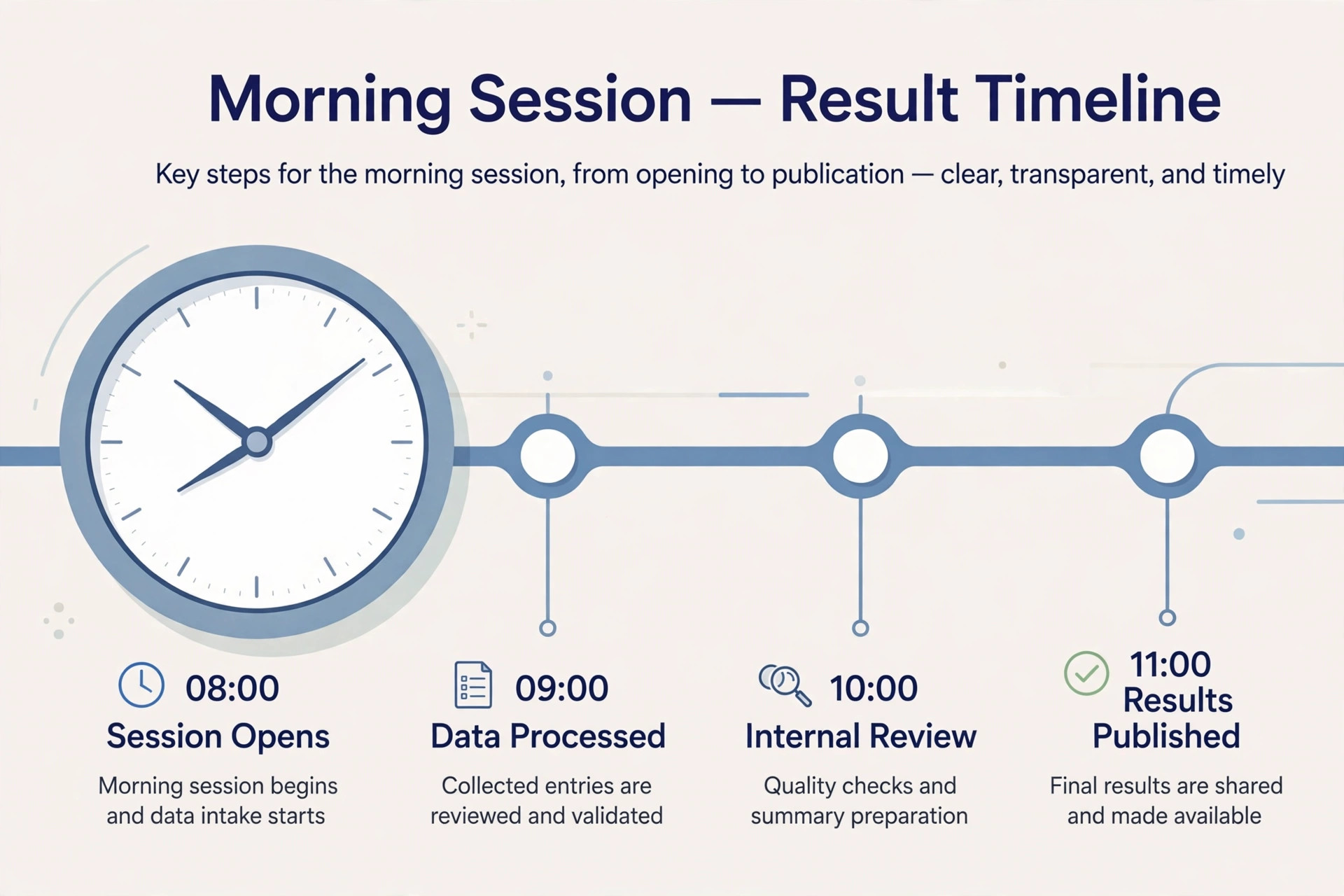
Morning teer archery is typically held in the mid morning. The First Round result is usually declared around 10:30 in the morning, and the Second Round result follows about an hour later, around 11:30 in the morning. These times are approximate. Exact declaration times can shift by a few minutes on any given day depending on how quickly the archery rounds finish and how fast the counting is completed. Teer is not held on Sundays in most markets, and morning sessions may also pause on public holidays, so always check whether the counters are open before expecting a result.
What Is Day Teer
Day teer is the name many players give to the main afternoon session of the teer game. It is the session most people mean when they simply say “teer result.” The day session is run by the larger and older associations, including the well known Shillong Teer, Juwai Teer, and Khanapara Teer games. These afternoon games attract the biggest crowds, the most counters, and the most online attention.
Like the morning game, day teer is an archery based lottery. Tickets are sold at licensed counters during the day, archers shoot their arrows in two rounds, and the last two digits of the hits become the First Round and Second Round results. The format is identical to the morning session because it is the same game, licensed under the same law, played by the same rules.
The reason it is called “day teer” by many websites is simply to distinguish it from the morning and night sessions on result listing pages. When a site shows “Morning Teer Result,” “Teer Result” (the day session), and “Night Teer Result” side by side, the middle one is the afternoon game. Some sites also label it the “day session” or “afternoon session.” All of these labels point to the same thing: the main afternoon teer game.
Day Teer Result Timings
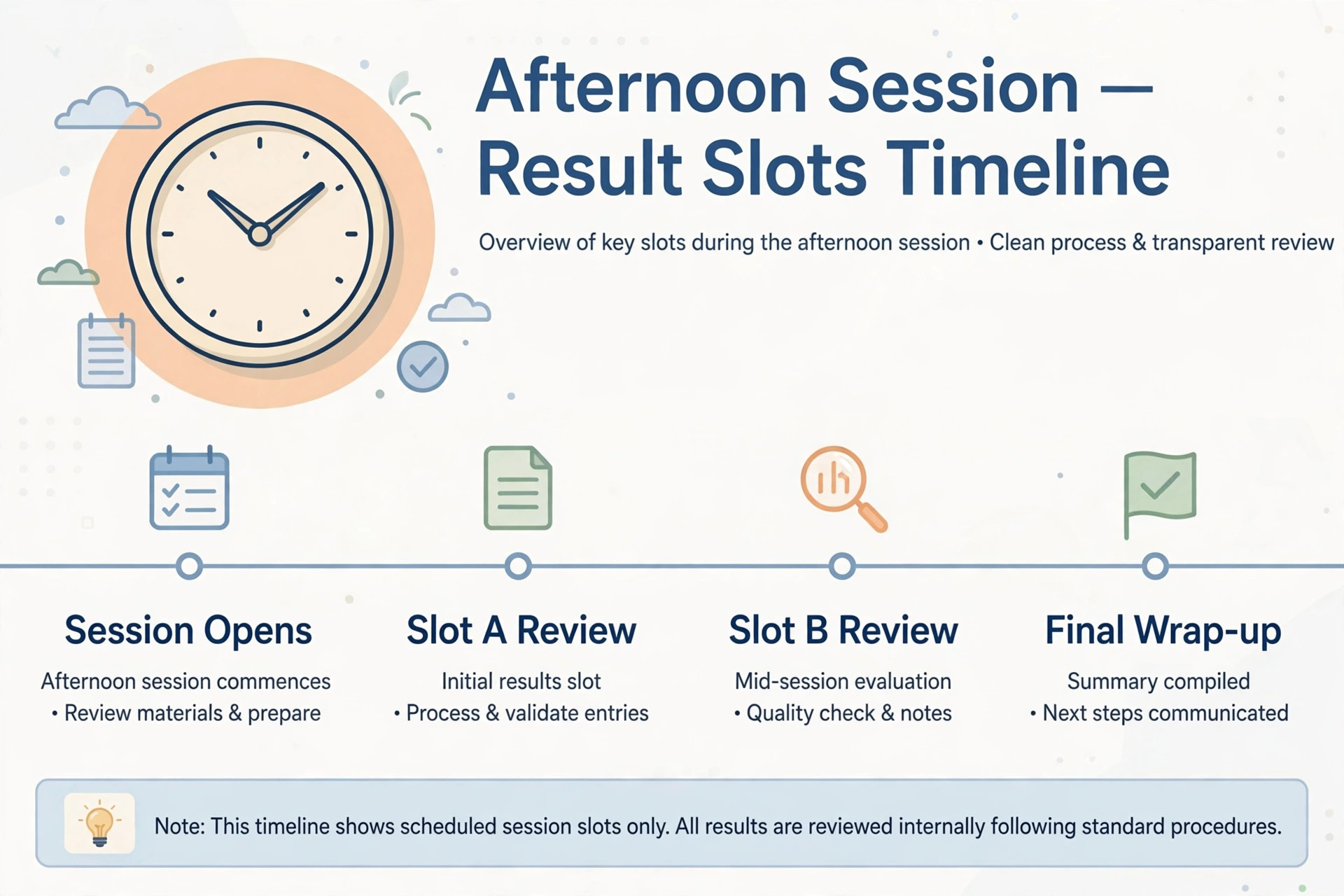
The day session takes place in the afternoon. The First Round archery is usually held in the mid afternoon, with the FR result declared around 3:45 in the afternoon. The Second Round follows, with the SR result declared around 4:45 in the afternoon. As with the morning session, these are approximate times and can move slightly from day to day. The day session draws the largest number of players, so counters are busiest in the hours leading up to the afternoon rounds.
Morning Teer vs Day Teer – Side by Side Comparison
The clearest way to settle the morning teer vs day teer question is to put the two sessions next to each other. Here is a direct comparison of the key points:
As the comparison shows, morning teer vs day teer is a question of timing and organizing association, not of rules or gameplay.
Session time. Morning teer is held in the mid morning. Day teer is held in the afternoon.
FR result timing. Morning teer FR is usually declared around 10:30 AM. Day teer FR is usually declared around 3:45 PM.
SR result timing. Morning teer SR is usually declared around 11:30 AM. Day teer SR is usually declared around 4:45 PM.
Game format. Both sessions use archery with a First Round and a Second Round.
Result style. Both sessions declare a two digit number per round.
Markets. Shillong, Juwai, and Khanapara each have morning associations and main (day) associations.
Ticket sale. In both sessions, tickets are sold at licensed counters before the rounds begin.
Legal basis. Both sessions operate under Meghalaya lottery law.
Sunday play. Both sessions are usually closed on Sundays. The tickets, the archery, the counting, and the result format are the same. A result declared in the morning session is final for that session, and a result declared in the afternoon session is final for its session. Neither one influences the other.
How FR and SR Rounds Work in Both Sessions
Whether you follow the morning session or the day session, the internal structure is identical. Every teer session is divided into two rounds: the First Round (FR) and the Second Round (SR).
In the First Round, a fixed group of archers shoots a set number of arrows at the target. Officials count how many arrows hit the target. The result is the last two digits of that count. For example, if 573 arrows hit the target, the declared FR result is 73 (example only, not a real result). The full count is never published as the result; only the final two digits matter. In our articles we show the placeholder “-” instead of example numbers so that no one mistakes an illustration for a real result.
In the Second Round, fewer archers shoot, and the same counting method is used. The last two digits of the Second Round hit count become the SR result. The Second Round is a separate and independent event. The FR result of a session has no mathematical effect on the SR result of the same session, and the morning FR has no effect on the day FR. Each round is its own independent outcome.
Tickets are sold separately for the two rounds. A player buys a First Round ticket, a Second Round ticket, or both. The prize structure is the same in the morning and day sessions: correctly matching the two digit result of a round wins that round’s prize. Because the mechanics are identical, learning to read one session’s results means you can read them all.
Why Two Rounds Instead of One
Newcomers sometimes ask why teer needs two rounds at all. The answer is partly tradition and partly practical. Two rounds give players two separate chances in a single session, and they allow counters to run a morning and an afternoon wave of ticket sales within one session. The two round structure also applies equally to morning teer and day teer, which is another reason the sessions feel so similar. If you are browsing the teer result list on this site, you will see FR and SR columns for every session and every market, morning and day alike.

Morning Teer vs Day Teer Timings Explained in Detail
Timing is the heart of the morning teer vs day teer comparison, so it deserves a closer look. Understanding the daily rhythm helps you know when to check results and when ticket counters are active.
The teer day usually begins with the morning session. Counters selling morning tickets open early, and sales close shortly before the morning archery begins. The First Round of archery is shot, the hits are counted, and the FR result is declared around 10:30 AM. Then the Second Round archery takes place, and the SR result is declared around 11:30 AM. By noon, the morning session is completely finished.
There is then a gap of several hours. Counters switch over to selling tickets for the day session. The afternoon archery begins mid afternoon. The day session FR result is declared around 3:45 PM, and the SR result follows around 4:45 PM. After that, some markets also run a night session in the evening, which is a third, separate session with its own results.
This schedule means a single calendar date can carry up to three sets of teer results for one market: morning, day, and night. Each set has its own FR and SR. When you check results online, always confirm which session the numbers belong to. Mixing up a morning FR with a day FR is one of the most common mistakes beginners make.
Do Timings Ever Change
Yes. The times given above are the usual pattern, not a legal guarantee. Declaration can be delayed by weather, by a slow count, or by organizational issues at the teer ground. On some days a morning result may arrive closer to 11:00 AM, or a day result closer to 5:00 PM. During festivals or bad weather, a session may be cancelled entirely. Reliable result sites update their pages as soon as the official declaration comes through, which is why checking a dedicated page like the Shillong teer result page is more useful than relying on memory of the usual schedule.
Reading Results the Same Way for Both Sessions
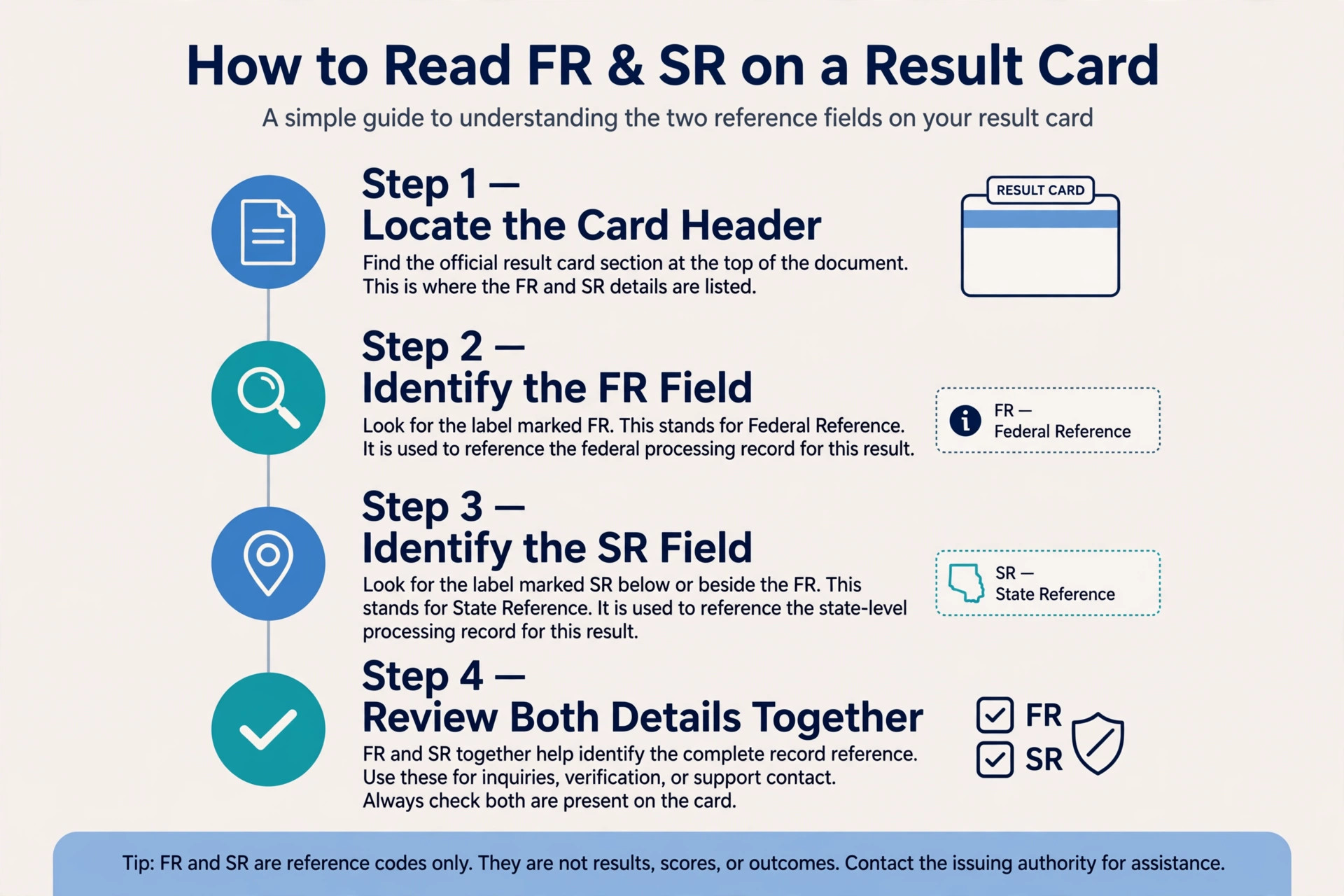
A result card for morning teer looks exactly like a result card for day teer. Both show the market name, the date, the session label (Morning or Day), and two numbers: FR and SR. Here is how to read one:
- Confirm the market. Make sure the card says Shillong, Juwai, or Khanapara, matching the game you followed.
- Confirm the session. Look for the word Morning or Day (sometimes shown as the afternoon or main session). This is the step people skip most often.
- Confirm the date. Teer results are date specific. Yesterday’s morning result is not today’s morning result.
- Read FR and SR separately. Each is a two digit number from 00 to 99. Either one can be 00, which simply means the hit count ended in zero.
Because both sessions share this format, you do not need to learn two systems. The skill of reading a morning teer result transfers directly to reading a day teer result, and the reverse is equally true.
Morning Teer vs Day Teer – Which One Should You Follow
Now for the practical question inside the morning teer vs day teer debate: does it matter which session you follow? For most casual observers, the honest answer is that it does not matter much. Both sessions are the same game, run legally, with results declared openly. Your choice comes down to schedule and interest.
Follow the morning session if you prefer early results. The morning game finishes before noon, so you know both FR and SR outcomes with most of the day still ahead of you. People with afternoon commitments, shopkeepers opening for the day, and anyone who simply likes to get things done early tend to prefer the morning session.
Follow the day session if you want the main event. The afternoon game is the most widely followed teer session, with the most counters, the most players, and the most online coverage. If you want the session that most teer discussion refers to, the day session is the default choice. When someone says “teer result” without specifying a session, they almost always mean the day session.
You can also follow both. Many regular viewers check the morning results when they are declared, then check the day results in the afternoon. Since the sessions are independent, following both simply gives you more of the same game to watch. There is no rule that says you must pick one.
A Note on Responsible Play
Teer is a legal lottery in the state of Meghalaya, operated under state law, and participation is meant for adults aged 18 and above. If you choose to buy tickets at a licensed counter, set a strict budget, treat it as entertainment rather than income, and never chase losses. No session, morning or day, is “easier” to win than the other. The archery outcome of each round is independent, and past results do not influence future ones. This article contains no predictions, no common numbers, no target numbers, and no betting tips, because none of those can honestly improve anyone’s chances. For background on the game’s origins, you can read the Teer article on Wikipedia, and for the official state perspective you can visit the Government of Meghalaya portal.
Frequently Asked Questions
What is the difference between morning teer and day teer?
The difference is the session timing and the organizing association. Morning teer is the early session with results declared around mid morning, while day teer is the main afternoon session with results declared in the afternoon. The game format, the FR and SR round structure, and the two digit result style are identical in both.
What time is the morning teer result declared?
The morning teer FR result is usually declared around 10:30 AM and the SR result around 11:30 AM. These are approximate times and can shift slightly from day to day. Morning sessions are typically not held on Sundays.
What time is the day teer result declared?
The day teer FR result is usually declared around 3:45 PM and the SR result around 4:45 PM. As with the morning session, these times are approximate and declaration can be delayed by weather or counting time at the teer ground.
Are morning teer and day teer results connected?
No. Each session is an independent game with its own archery rounds and its own results. The morning FR does not affect the day FR, and the morning SR does not affect the day SR. Treat every round of every session as a separate, independent outcome.
Which markets have both morning and day sessions?
Shillong, Juwai, and Khanapara each have morning associations and main (day) associations. Each association runs its own independent game, so a single date can have morning and day results for all three markets, six sessions in total before any night games.
Can I check both morning and day teer results on one page?
Many result sites list all sessions for a date on a single page, with separate rows or cards for morning and day sessions. On this site, the homepage shows the latest results across sessions, the teer result list page keeps previous results organized by date, and dedicated pages such as the Shillong morning teer result page focus on one session.
Is morning teer legal?
Yes, in the same way the day session is legal. Both are part of the archery based teer lottery permitted in Meghalaya under state law. Tickets must be bought at licensed counters, and players must be 18 or older.
Conclusion
The morning teer vs day teer question has a simple answer: they are two sessions of the same game, one in the morning and one in the afternoon. The rules, the rounds, the tickets, and the result format are identical. What changes is the clock and the association running the game. Once you know to check the session label on every result card, the confusion disappears, and you can follow the morning session, the day session, or both with confidence. Bookmark the session pages you use most, always verify the date on the result you are reading, and remember that every round is independent, so no session is luckier than another. Play responsibly, and only if you are of legal age.