
If you are new to Shillong Teer and just heard someone mention a shillong teer previous result, you are in the right place. This guide explains everything from zero, in plain language, with no assumed knowledge. By the end, you will know what previous results are, where to find them, what all the short terms mean, and how to read an archive without feeling lost.
Let us start with the very basics. Shillong Teer is a traditional game from Shillong, the capital of Meghalaya in Northeast India. It is based on archery. Skilled archers shoot arrows at a target, and the number of arrows that hit the target is counted. The last two digits of that count become the winning number for the round. This happens twice a day on working days, which gives us two results per day: one from the first round and one from the second round.
A “previous result” simply means a result from a round that already happened. Yesterday’s results are previous results. Last week’s results are previous results. They are collected together on archive pages, sometimes called the result list or result history, where you can look up any past day. Think of it like a diary of the game: every day gets its own entry, and you can flip back to any page you want.

What Is a Shillong Teer Previous Result? A Simple Explanation
Imagine you missed today’s game and a friend tells you the winning numbers. How do you check if your friend remembered correctly? You look at the previous results. They are the official record of what was declared, written down day by day, so anyone can verify what happened.
Each working day in Shillong Teer produces exactly two numbers. The first number comes from the first round of archery, and the second number comes from the second round. Together, these two numbers are that day’s result. When the day is over, both numbers move into the archive and become “previous results.” From then on, they never change. They are history.
This permanence is what makes previous results useful. Unlike rumors or memory, which can be wrong, the archive is a fixed record. If you ever need to confirm a number from any past day, the archive is the place to look. The Best Teer Result homepage shows the most recent results right at the top, which is the easiest starting point for a beginner.
Shillong Teer Previous Result Archives: Your First Visit, Step by Step
Visiting a results archive for the first time can feel overwhelming because there is a lot of information on the screen. Here is a calm, step by step walkthrough. Follow it once, and every future visit will feel easy.
Step 1 – Open the archive page. On this site, that is our teer result list archive, which holds past results organized by date.
Step 2 – Look at the top of the list. Archives are almost always sorted with the newest dates first. The very first row is usually today or yesterday.
Step 3 – Find your date. Scan down the date column until you see the day you are interested in. Ignore the numbers for now and focus only on dates.
Step 4 – Read across the row. Once you find your date, move your eyes to the right along that same row. You will see two numbers: the first round result and the second round result.
Step 5 – Check that both numbers are present. If one of them shows a dash (-) instead of a number, that round has not been declared yet. The row is not finished, so come back later.
That is the whole process. Five steps, and you will use the same five steps every time. After two or three visits, you will not even think about them anymore.

FR and SR: A Glossary of Terms Every Beginner Needs
Newcomers to Teer meet a handful of short terms that look confusing at first. They are actually very simple. Here is your glossary.
FR (First Round). This is the first archery round of the day. Its result is declared in the afternoon on working days. In every chart, FR is the first number column.
SR (Second Round). This is the second archery round of the day. Its result is declared in the evening on working days. In every chart, SR is the second number column.
Result list. Another name for the archive page: the full list of past results in date order. When someone says “check the result list,” they mean open the archive.
Result history. The complete record of all past results over time. The result list page shows you the result history.
Declaration. The moment when the official winning number for a round is announced. Before declaration, there is no result. After declaration, the result is permanent.
Working day. Any day the game is played. Shillong Teer is not played on Sundays or public holidays, so there are no results on those days.
Placeholder (the dash). The “-” symbol you sometimes see in a chart. It is not a number and not a zero. It simply means “not declared yet.”
Learn these seven terms and you will understand almost every conversation and every chart about Shillong Teer previous results. Nothing else is required to get started.
How to Read One Row of a Shillong Teer Result List
Let us slow down and read a single row together, because once you can read one row, you can read the entire archive. A row has three parts. We will go through them one at a time.
The first part is the date. It tells you which day this row belongs to. Dates are usually written clearly, for example as day, month, and year. Always read the date first. This is the most important habit in this whole guide.
The second part is the FR number. This is the winning number declared for the first round on that date. It is a two digit number. Remember, we never invent example numbers in this guide, because a made up number could be mistaken for a real result. On a real archive page, you will see the actual declared number here.
The third part is the SR number. This is the winning number declared for the second round on that date. Same format, two digits, the real declared outcome.
So a complete row reads like this in plain words: “On this date, the first round result was this number, and the second round result was this number.” That is all a row ever says. If the SR part shows a dash, the sentence becomes: “On this date, the first round result was this number, and the second round has not been declared yet.” Simple, honest, and complete.
Our Shillong Teer result page presents today’s rounds in exactly this format, so you can practice reading rows there before diving into the older archives.

Understanding the Daily Timing of Shillong Teer Results
One of the most common beginner questions is: “I checked at noon and there was nothing. Is something wrong?” Nothing is wrong. The game simply follows a daily schedule, and results appear only after each round is declared.
Here is the rhythm of a normal working day. In the afternoon, the first round takes place and its result is declared. Archive pages update shortly after, so the FR number appears first. In the evening, the second round takes place and its result is declared. Archives update again, and the SR number fills in. By late evening, the day’s row is complete.
This means there are three natural times to check. In the morning, you will see only previous days, because today’s rounds have not happened. In the afternoon, you will see today’s FR but a dash for SR. In the evening, you will see both of today’s numbers, and the day joins the permanent previous result records.
There is one more timing rule every beginner should know: there is no game on Sundays or public holidays. On those days, no new row appears, and that is completely normal. If you ever want to confirm which days the game runs, the official Meghalaya government portal describes the legal framework of the state’s lotteries, and the Teer article on Wikipedia explains the game’s background in simple terms.
Beginner Mistakes to Avoid When Browsing Old Results
Everyone makes these mistakes at first. Knowing them in advance means you can skip the confusion entirely.
Mistake 1: Mixing up FR and SR. Because the two columns sit side by side, it is easy to read the wrong one when you are in a hurry. Always glance at the column headings before reading the numbers. Two seconds of checking prevents a wrong reading.
Mistake 2: Reading yesterday’s row as today’s. When you open an archive late at night or early in the morning, the top row might be yesterday, not today. Always read the date. Never assume the first row is today.
Mistake 3: Treating a dash as a zero. The dash (-) is a placeholder, not a number. It means the round has not been declared yet. If you read it as zero, you will walk away with a completely wrong idea of the result.
Mistake 4: Trusting the first random site you find. Not all archive pages are maintained equally. Prefer clean, regularly updated archives with clear date, FR, and SR columns. If something important depends on the number, cross check it on a second source before acting.
Mistake 5: Believing old results predict new ones. This is the biggest trap for beginners. Past results describe what already happened. They cannot tell you what will happen next. Anyone selling “sure numbers” based on old results is not offering knowledge; they are offering guesses. A trustworthy site, like ours, will never do this. You can read about how we publish results and why we draw a firm line against predictions.
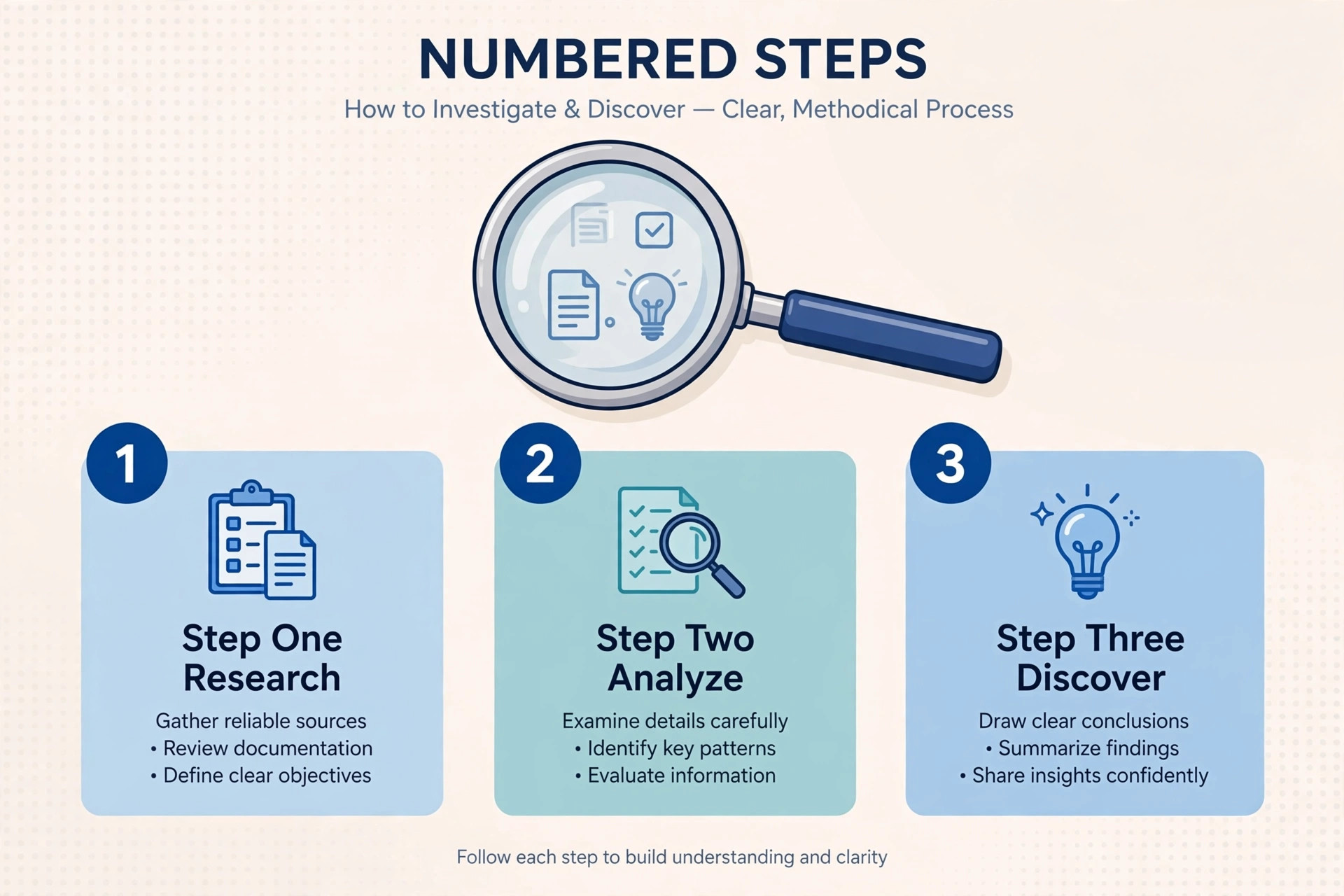
Building Your Habit: Checking Shillong Teer Previous Result Records the Right Way
Once the basics feel comfortable, a small routine makes everything effortless. Here is a simple habit that experienced visitors follow.
First, decide what you actually need before you open the archive. Are you checking today’s rounds, verifying yesterday, or looking up an older date? Knowing your question in advance keeps you focused and fast.
Second, bookmark the pages you use most. If you mainly check recent results, bookmark the homepage. If you often look further back, bookmark the result list archive. One tap beats five clicks every time.
Third, check at the right time of day. If you want the complete picture for today, wait until the evening when both rounds are declared. Checking in the morning for today’s numbers will only show you a dash, because the rounds have not happened yet.
Fourth, keep your own simple notes if you follow the game regularly. A small notebook or a phone note with the date and both numbers takes seconds to write and gives you a personal record you can verify against the archive anytime. Date plus FR plus SR, every time. That format never causes confusion later.
Finally, stay relaxed about gaps. Sundays and holidays have no results, archives sometimes update a few minutes after declaration, and none of that means anything is broken. The record is patient. It will be there whenever you need it.
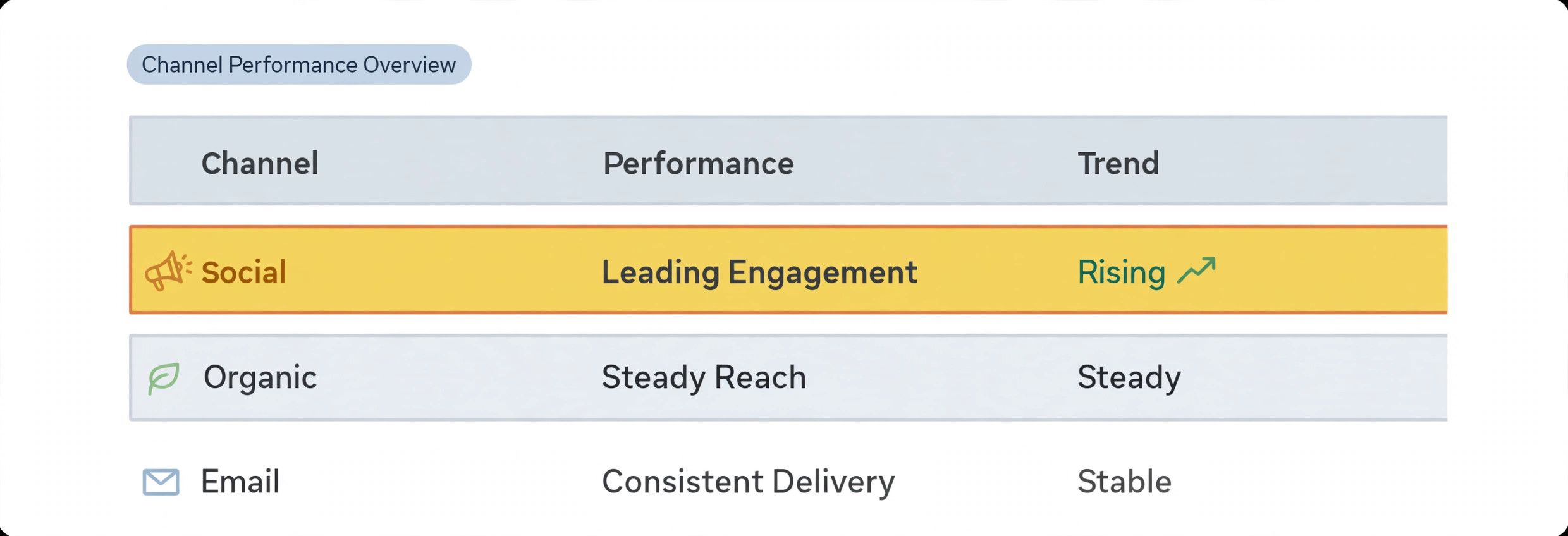
Your First Week With the Archives: A Simple Practice Plan
Reading about archives is helpful, but a little practice makes everything stick. Here is a gentle seven day plan that turns you from a first time visitor into a confident reader.
On day one, just open the result list archive and look at it. Do not try to find anything specific. Notice the date column, the FR column, and the SR column. Scroll up and down slowly and get comfortable with the layout.
On day two, find yesterday’s row. Read the date out loud, then read the FR number, then the SR number. Saying it in words, even silently in your head, trains the date first habit.
On day three, visit in the afternoon and look at today’s row. You should see the FR number with a dash in the SR column. This is your first live look at a placeholder, and now you know exactly what it means.
On day four, visit in the evening and look at the same row again. The dash should be replaced by the SR number. You have just watched a row become a complete previous result in real time.
On day five, pick a date from two weeks ago and find it using the scroll. Notice how the archive keeps every day in order, newest first.
On day six, try the browser find trick. Open the archive, use find in page, and type a date. Watch the browser jump straight to it. This is the fastest skill in this guide.
On day seven, explain what you learned to a friend. Teaching the five step process from the walkthrough section will lock it into your memory permanently.
One week, a few minutes a day, and the archive will feel like a familiar tool instead of a confusing page.
Frequently Asked Questions
What is a shillong teer previous result in simple words?
It is the official winning number from a Shillong Teer round that already happened. Every working day has two rounds, so every past day has two previous results: one for the first round (FR) and one for the second round (SR).
Where do I find old Shillong Teer results?
On archive pages, also called the result list or result history. These pages list past results by date, newest first. Our result list archive keeps them organized so you can scroll back to any day you need.
What do FR and SR stand for?
FR stands for First Round and SR stands for Second Round. They are the two daily rounds of Shillong Teer. The FR result is declared in the afternoon and the SR result in the evening, on working days.
Why is there a dash instead of a number in the chart?
The dash (-) is a placeholder meaning the round has not been declared yet. For example, in the afternoon you will often see today’s FR number with a dash in the SR column, because the second round happens in the evening.
Are there Shillong Teer results on Sundays?
No. The game is not played on Sundays or public holidays, so no results are declared on those days. A missing row for a Sunday is normal and expected.
Can previous results tell me the next winning number?
No. Previous results are records of what already happened, and each round is independent. Past numbers do not influence future numbers in any way. Be cautious of anyone who claims otherwise.
Is Shillong Teer legal, and who can play?
Teer is a legal lottery in the state of Meghalaya, regulated by the state government. It is strictly for adults aged 18 and above. If you choose to participate, play responsibly and only with money you can afford to lose.
Conclusion
You now know everything a beginner needs about the shillong teer previous result: what it is, where the archives live, what FR and SR mean, how to read a single row, when results appear during the day, and which mistakes to avoid. It is a small set of ideas, but it covers the whole topic.
The next step is simply practice. Open the result list, find a date, read across the row, and notice how natural it feels after the second or third try. And remember the two golden rules: always read the date first, and never expect the past to predict the future.
A final responsible note: Teer is a legal lottery in Meghalaya, for adults 18+ only. Previous results are records for reference, not predictions. Play responsibly.