If you have ever spent a morning in a Shillong market and overheard strangers swapping stories about what they saw in their sleep, you have already brushed against one of the most curious folk traditions of Northeast India. A teer dream number is a number between 0 and 99 that some teer players associate with objects, animals, people, or events seen in a dream. This article is a cultural and informational guide to that tradition. It explains where the belief comes from, how it is talked about in everyday life, and why it should always be understood as folklore rather than any kind of betting advice or prediction method.
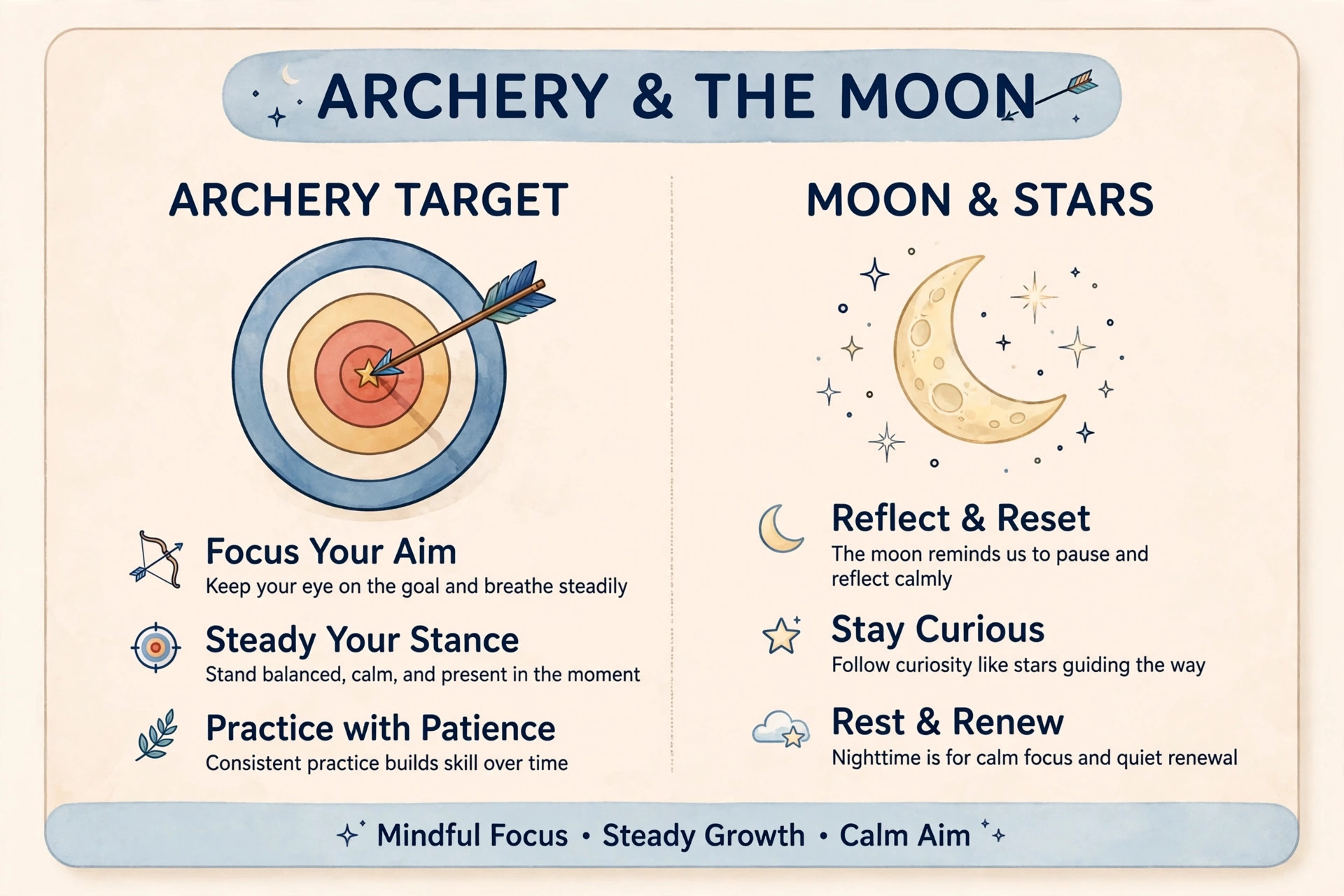
Teer itself is a legal, state-regulated archery based lottery played in Meghalaya, where archers shoot arrows at a target and the count of arrows that hit determines the day’s winning figures. You can read the basics of the game and its first and second rounds on the Best Teer Result homepage, which keeps a daily record of declared outcomes. The dream number custom grew up around this game the way folk songs grow up around a harvest. It belongs to the world of tea stalls, bus stands, and neighborhood conversations. Our purpose here is to document that culture honestly, to separate legend from fact, and to make clear from the start that dreams cannot predict lottery results. Nothing in this guide suggests a number to play, endorses a betting strategy, or implies that any interpretation method improves your chances. Teer is for adults aged 18 and above only, and like any form of gambling it should be enjoyed responsibly and within strict personal limits.

What Is a Teer Dream Number in Local Culture
At its simplest, a teer dream number is the folk idea that images from your dreams can be translated into numbers. A fish in a dream might traditionally be linked with one number, a snake with another, a wedding or a journey with yet another. These associations were never written down in any official rulebook. They passed from person to person in conversation, were repeated at teer counters, and eventually found their way into small printed pamphlets and, later, onto the internet as so-called dream charts or dream books.
It is important to understand the nature of this practice. Dream interpretation is a very old human habit that exists on every continent. In the teer context, the habit attached itself to the lottery because the lottery produces a fresh two digit number every day. That daily number gave the dream talk a ready-made canvas. When someone dreamed of a tiger and the number drawn that day happened to match the number their community associated with tigers, the story traveled fast. When it did not match, which was far more often, the story quietly faded. Human memory remembers the hits and forgets the misses, and that selective memory is exactly what keeps folk beliefs alive.
Anthropologists who study gambling cultures would call this a meaning-making ritual. People face uncertainty every day, and dreams are one of the most vivid, mysterious experiences a person can have. Linking the two gives a sense of pattern and control over something that is fundamentally random. That does not make the tradition meaningless. It makes it meaningful in a cultural sense, like reading your horoscope for fun or knocking on wood before a journey. It does not make it a reliable forecasting tool, and treating it as one is a misunderstanding of what folklore is.
The phrase teer dream numbers is sometimes used to describe whole lists of dream-to-number associations that circulate in communities. These lists differ from place to place and even from counter to counter, which itself tells you something important. If dream numbers reflected a real, objective system, you would expect the lists to agree. They do not, because they are folk creations, shaped by local storytelling, family sayings, and the particular imagination of whoever wrote the pamphlet down first.
The Roots of the Dream Number Tradition in Meghalaya
Teer as a Community Institution
To understand why dream numbers took root, you have to understand teer itself. Teer began as a traditional archery pastime of the Khasi people of Meghalaya, long before it was ever a lottery. Archery was a sport, a festival event, and a matter of village pride. When the Meghalaya state government later legalized and regulated teer as a lottery, with licensed counters, official timings, and supervised draws, the game kept its community character. Playing teer remained a social activity. People gathered, talked, compared notes, and went home together.
In such a social setting, conversation is the main entertainment between rounds. What did you dream last night is one of the oldest conversation openers in the world, and around teer counters it naturally merged with the day’s game. Elders recounted which dream images had coincided with winning numbers in the past, younger players listened, and a body of shared lore accumulated. This is how oral traditions are born: not through planning, but through repetition in a community that talks to itself every day.
You can see how deeply teer is woven into local routine on pages like the Shillong teer result archive, which follows the most famous of the teer markets. Shillong is where the archery grounds, the counters, and the storytelling all converge, so it is no surprise that the phrase shillong teer dream number is one of the most searched variations of this topic.
Oral Storytelling and Bazaar Culture
Northeast India has a rich oral storytelling heritage. In Khasi, Jaintia, and Garo households, grandparents still tell moral tales and folk legends to children at night. Dreams already had a place in this storytelling world. In many traditional communities, dreams were discussed seriously: a dream could be a warning, a blessing, or simply a curious puzzle to talk over. When teer became part of daily life, the existing dream talk simply found a new companion.
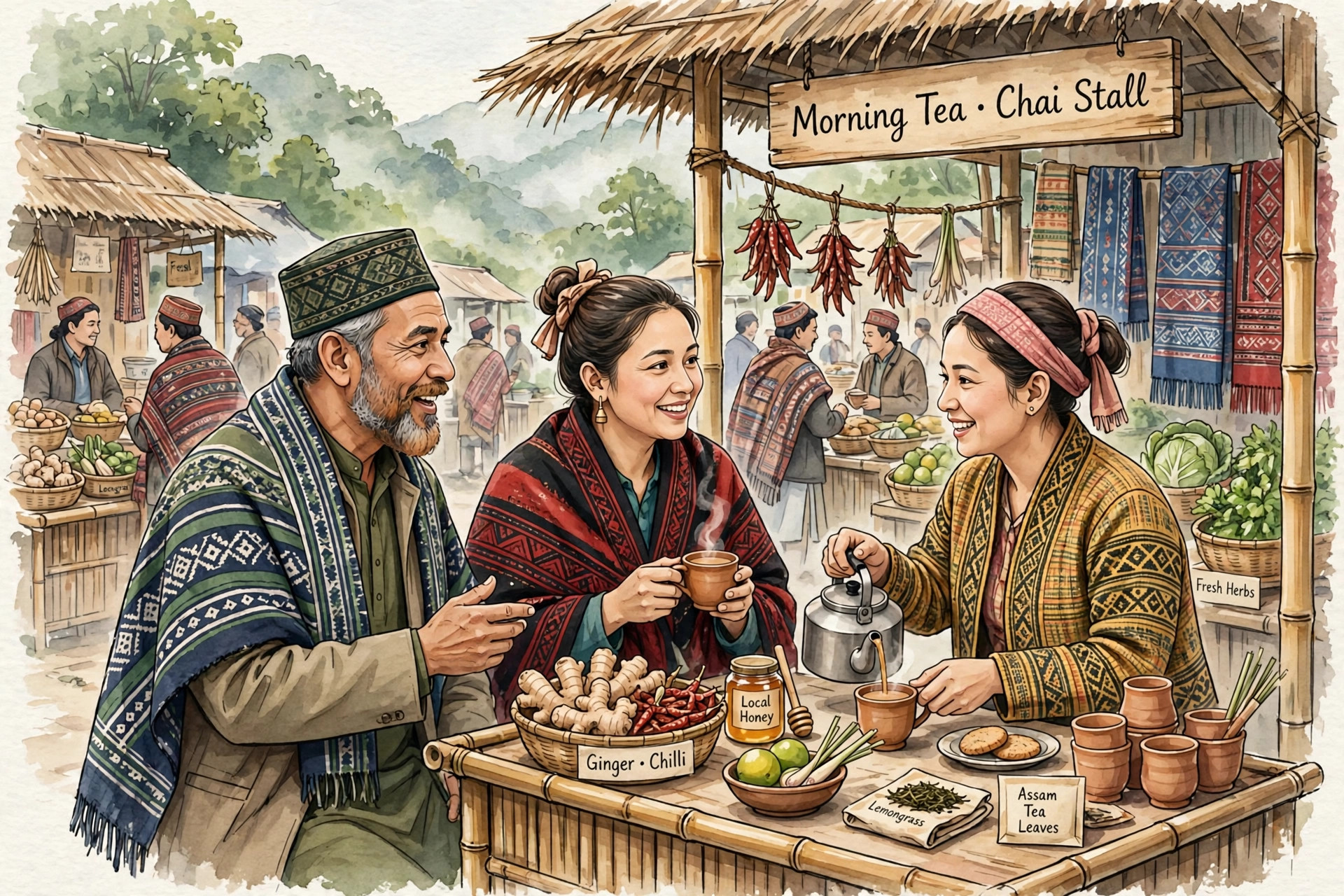
The bazaar, the market, and the roadside tea stall became the classrooms of this folk knowledge. Imagine a cold Shillong morning. Vendors are setting out vegetables, steam rises from tea glasses, and someone mentions that they dreamed of water. Immediately, two or three others offer the number their grandmother associated with water. Nobody checks a book; everyone remembers. The knowledge is social, casual, and communal. It is performed rather than studied, and that performance is part of the pleasure.
This oral character explains why the tradition resists being pinned down. Ask five experienced players about the number for a particular dream and you may get five different answers. A folklorist would find this completely normal. Oral traditions vary with each telling. The variation is a feature, not a bug, of folklore. It is also a strong reminder that there is no secret, consistent, or authoritative system hiding behind these conversations.
How People Talk About Teer Dream Numbers Today
Morning Conversations Among Players
The daily rhythm of teer shapes the daily rhythm of dream talk. Results are declared in the afternoon and evening, and the mornings belong to anticipation. This is when dream number teer conversations are most lively. Regular players arrive early, exchange news, and the talk of the night’s dreams fills the time before the counters get busy. Newcomers quickly learn that this is entertainment, a social game played alongside the real game, and most long-time players treat it that way.
Notice the tone of these conversations. They are light, humorous, and self-aware. When someone’s dream number fails to appear, and it fails most days, the group laughs it off. Jokes are made about the unreliability of the dream book. This humor is important. It shows that most participants understand, at some level, that they are playing with chance and story, not with a method. The dream number is a conversation starter and a shared joke as much as anything else.
Community Charts and Printed Dream Books
At some point, the oral tradition began to be written down. Small printed booklets and later photocopied sheets began circulating, each claiming to list dream images with their corresponding numbers from 0 to 99. Today, websites and social media posts carry the same content in digital form. These are the “dream charts” you may come across online.
This guide deliberately does not reproduce any such chart. There are two reasons. First, publishing dream-to-number mappings, even framed as culture, would cross the line from documentation into facilitation, because readers could use the mappings as betting suggestions. That would violate the clear editorial rule of this site: no prediction content and no betting advice. Second, the charts contradict each other so wildly that reproducing any single one would misrepresent the tradition as more settled than it is. What we can say, honestly, is that such charts exist as folk artifacts, that they are popular, that they disagree with one another, and that none of them has any connection to how results are actually decided.
If you encounter a dream chart, the healthiest way to read it is the way you would read a book of proverbs or superstitions: as a window into what a community finds meaningful, not as instructions. The Wikipedia overview of the game at Teer on Wikipedia describes the lottery’s archery format and cultural background, and it is a useful neutral reference for understanding the game itself without any betting slant.
Teer Dream Numbers in Popular Culture
Songs, Jokes, and Everyday Language
The dream number tradition has escaped the world of players and entered general popular culture in Meghalaya and neighboring areas. Comedians reference it in stand-up routines. Song lyrics mention it. Memes about funny dreams and their supposed numbers circulate on social media. Even people who never play teer know the basic concept, the way people everywhere know the basic concept of a horoscope without necessarily believing in astrology.
This popular spread tells us that the tradition has become a cultural symbol. It represents the teer world to outsiders the way a cricket chant represents a stadium crowd. It is colorful, instantly recognizable, and a little mischievous. When a television sketch jokes about a character who bets his savings on a number he dreamed, the audience laughs because they recognize the type, not because they approve of the behavior. The comedy works precisely because everyone knows the dream number is not a real method.
Language itself has absorbed the idea. In casual conversation you might hear someone say they had a “teer dream” about an exam or a job interview, meaning simply a vivid or anxious dream, with no lottery connection intended. Folklore that becomes metaphor has achieved a kind of permanence. It no longer needs believers to survive; it needs only speakers.
Regional Variations Across Teer Markets
The dream lore is not identical everywhere. Shillong, being the largest and most historic teer center, has the most elaborate version of the tradition, which is why searches for shillong teer dream number are so common. Juwai, in the Jaintia Hills, has its own counter culture and its own local storytellers, and its dream associations reflect local Jaintia imagery and sayings. You can follow that market’s declared outcomes on the Juwai teer result page. Khanapara, on the Assam border, sits at a cultural crossroads where Assamese and Khasi influences mix, and its version of the dream talk carries flavors of both traditions.
These regional differences are worth savoring as cultural detail. A dream image that is auspicious in one community may be neutral or even ominous in another, and the numbers attached to images shift accordingly. No official body standardizes any of this, because no official body needs to: the Meghalaya government’s role is to regulate the lottery’s fairness and legality, which you can read about through official channels such as the Government of Meghalaya portal. The folklore belongs to the people, and the people keep it happily unstandardized.
Dream Meaning Teer Number – Separating Folklore From Fact
What Dream Science Actually Says
Modern sleep science has studied dreams extensively, and its findings do not support the idea that dreams predict the future. Dreams occur mainly during REM sleep, when the brain consolidates memories, processes emotions, and rehearses scenarios. A dream about water, a tiger, or a wedding reflects your memories, anxieties, and experiences, not tomorrow’s lottery draw. Psychologists are clear on this point: dreams are meaningful as windows into your inner life, but they carry no information about external random events.
This does not mean dreams are uninteresting. Far from it. Keeping a dream journal is a respected practice for self-reflection. Writers, artists, and scientists have all reported that dreams inspired real creative breakthroughs. The inspiration worked because the dream sparked an idea in the dreamer’s own mind, not because the dream contained secret knowledge about the world. Applied to teer, this means your dream might inspire you to write a story, paint a picture, or call an old friend. It cannot inspire a winning lottery number, because the number does not exist yet in any form your sleeping brain could access.
Why Lottery Draws Cannot Be Predicted
Teer results are determined by a physical event: archers shooting arrows at a target under supervision, with the count of hits deciding the figures. The outcome depends on skill, weather, light, and chance in ways no dream can capture. Even in lotteries that use machines, the draws are designed to be random and are audited for fairness. Randomness is the whole point of a lottery. If results followed a pattern that dreams could reveal, the game would not be a lottery at all.
The human brain, however, is a pattern-finding machine. It evolved to spot connections because spotting real connections kept our ancestors alive. The side effect is that it also spots connections that are not there. Psychologists call this apophenia, and the lottery version has a familiar name: the gambler’s fallacy, the feeling that past coincidences predict future outcomes. When a dream number coincides with a result, the brain files it as proof and discards the many misses. Understanding this mental habit is liberating. It lets you enjoy the folklore for its storytelling value while keeping your wallet protected from its promises.
Enjoying the Tradition Without Risk
If you love the cultural side of teer dream lore, there are safe ways to engage with it. Talk about your dreams with friends and family as stories, not as signals. Read about the tradition as anthropology, the way you might read about harvest festivals or folk medicine. Collect the sayings and jokes as local color. What you should not do is stake money on the basis of a dream, increase your spending because a dream felt vivid, or treat a chart as financial advice. A vivid dream is a vivid dream. It is not a tip.
Families in Meghalaya often model this balance well. The same grandfather who jokes about his dream number will also tell you, in the next breath, that he plays only a small fixed amount and never chases losses. That attitude, light on the folklore and firm on the limits, is the healthy way to relate to any gambling tradition. Set a strict entertainment budget before you play anything, treat losses as the cost of entertainment, and walk away when the budget is gone. If playing ever stops feeling like fun, stop playing, and seek support from a trusted person or a responsible gambling resource in your region.
It is also worth saying plainly who should not be engaging with dream number content at all. Anyone under 18 should not be playing teer or studying betting material. Anyone struggling with gambling urges should avoid dream charts entirely, because for them the charts are not folklore, they are triggers. And anyone selling “guaranteed” dream number tips for money is running a scam, full stop. No one can guarantee lottery outcomes, and anyone who claims otherwise is trying to take your money.
Frequently Asked Questions About Teer Dream Number
What does teer dream number mean?
A teer dream number is a folk belief that objects, animals, or events seen in a dream can be matched to a number between 0 and 99, which some teer players then associate with the lottery. It is a cultural tradition of Meghalaya’s teer playing communities, passed along through conversation, printed dream books, and now the internet. It is folklore, not a method of prediction, and this guide treats it purely as cultural information.
Is there an official teer dream number list?
No. There is no official or authoritative list of dream numbers. The Meghalaya government regulates teer as a lottery but has nothing to do with dream interpretation. The charts that circulate are folk creations made by private individuals, and different charts contradict each other. The lack of agreement is itself evidence that the lists are cultural artifacts rather than real systems.
Can dreams really predict teer results?
No. Dreams cannot predict lottery results. Sleep science shows that dreams reflect memory, emotion, and imagination, not future events. Teer results come from a supervised physical archery event whose outcome is random and cannot be known in advance. Coincidences between a dream number and a result do happen, but they are chance events, and the many misses are simply forgotten. Believing otherwise is a well documented mental bias, not evidence.
Why do so many people still talk about dream numbers?
Because the tradition is social, entertaining, and deeply rooted. Dream talk fills the morning hours before results, gives regular players a shared language and shared jokes, and connects the game to older traditions of dream storytelling in Northeast Indian households. People enjoy it the way they enjoy horoscopes or superstitions: as conversation and culture, not as science. The popularity of a belief does not make it true, but it does make it culturally significant and worth understanding.
What is the difference between dream numbers and common numbers?
Dream numbers come from dream interpretation folklore, while so-called common numbers, hit numbers, and target numbers are other forms of unofficial prediction talk that circulate among players. All of them share the same problem: none can predict a random draw. This site does not publish any of these categories, because publishing them would amount to betting advice. We cover the dream tradition here only as culture, with an explicit warning that it has no predictive value.
Is it legal to use dream numbers for teer?
Using a dream number to choose your ticket is not a separate legal question from playing teer itself. Teer is a legal, state regulated lottery in Meghalaya for adults aged 18 and above, and players may choose their numbers however they like within the rules of the game. The legal and practical advice is the same regardless of how you pick: play only if you are an adult, play within a strict budget, and treat it as paid entertainment rather than income.
How can I enjoy teer culture responsibly?
Enjoy the archery, the community atmosphere, and the folklore as cultural experiences. Keep any spending to a small, fixed entertainment budget that you can afford to lose completely. Never borrow money to play, never chase losses, and never let anyone sell you “sure” numbers, dream based or otherwise. If you want to check outcomes, use a clean record of declared results such as the teer result list archive rather than prediction pages. If gambling stops being fun, stop, and talk to someone you trust.
Where can I learn the real facts about how teer works?
Stick to factual sources: the official Government of Meghalaya channels for legality and regulation, neutral encyclopedia entries like the Teer article on Wikipedia, and result archives that publish declared outcomes with timings and round explanations. Avoid any page that promises winning numbers, sells tips, or claims a secret method. A legitimate information site explains the game and shows real results; a scam site promises future ones.
Conclusion
The teer dream number tradition is one of the most colorful threads in the cultural fabric around Meghalaya’s archery lottery. It grew from old dream storytelling, took shape in bazaar conversations, and now lives on in jokes, memes, and community lore. As folklore, it deserves to be documented, understood, and even enjoyed. As a betting method, it deserves nothing, because dreams cannot predict random draws and no chart has ever changed that.
The honest relationship with this tradition is simple: love the stories, respect the culture, and keep your money out of the mythology. If you play teer, play as an adult, within strict limits, for entertainment alone. And if you ever feel the pull of a “sure” dream number, remember the morning tea stalls of Shillong, where the players themselves laugh when the dream book gets it wrong. They know, better than anyone, that the dream is the fun part and the number is just a number.