If you are planning to take part in the archery-based lottery of Meghalaya, the first practical question you will ask is about the teer ticket price. How much does a ticket cost at a teer counter, what denominations are available, and how do the prize payouts relate to what you pay? This guide answers all of that in plain language. It covers the typical price range at licensed counters, how ticket slips work, how prize amounts are calculated from your stake, and what to keep in mind before you visit a shillong teer counter. Everything here is practical, evergreen information. It does not contain predictions, suggested numbers, or result figures, because those have no place in a guide about ticket prices.
What Is the Teer Ticket Price in Meghalaya
Teer is a legal lottery in the state of Meghalaya, organised around professional archery. Each day (except Sundays and public holidays), ticket sellers at licensed counters collect stakes on two-digit numbers from 00 to 99. After the archers shoot, the last two digits of the total number of arrows hitting the target become the winning number for the round. The teer ticket price is simply the amount you pay at the counter for your chosen number or numbers.
At most authorised counters, the minimum teer ticket price is around ten rupees. That means a single play can cost as little as Rs 10, which keeps teer accessible to ordinary players. Counters commonly sell tickets in fixed denominations such as Rs 10, Rs 20, Rs 50, and Rs 100. Some counters may offer larger amounts, and some may allow multiples of the base denominations. The exact options can vary from one licensed counter to another, and from one organising association to another, so treat these figures as typical ranges rather than fixed rules.
It is important to understand what the price buys you. A teer ticket is not a share in a jackpot pool. It is a slip on which you mark one or more two-digit numbers for a specific round (first round or second round) on a specific date. The amount you pay is your stake on the numbers printed on that slip. If your number matches the declared result for the round, the counter pays you a prize that is calculated as a multiple of your stake. If it does not match, the stake is forfeited, exactly like any lottery.
Why prices can differ between counters
You may hear slightly different prices from different counters, and there are honest reasons for that. Licensed counters operate under the state rules, but individual ticket sellers may set minimum purchase amounts or offer bundled plays. A counter might, for example, require a minimum combined purchase of Rs 50 if you want tickets for both rounds. Special festival sessions or additional rounds, such as morning or night sessions where they exist, may have their own ticket pricing set by the local association. Always confirm the price at the counter before you hand over money, and never assume that a price you heard from another counter applies everywhere.
What the ticket slip shows
A genuine teer ticket slip typically shows the date, the round (first round or second round), your chosen number or numbers, and the amount paid. Keep this slip safe, because it is the only proof you need to claim a prize. If your number wins, you return to the same counter with the slip and collect your winnings. Counters do not ask for identity documents for small prizes in most cases, but large prizes may follow a more formal claim process, which we cover in the payout section below.
How a Teer Counter Works
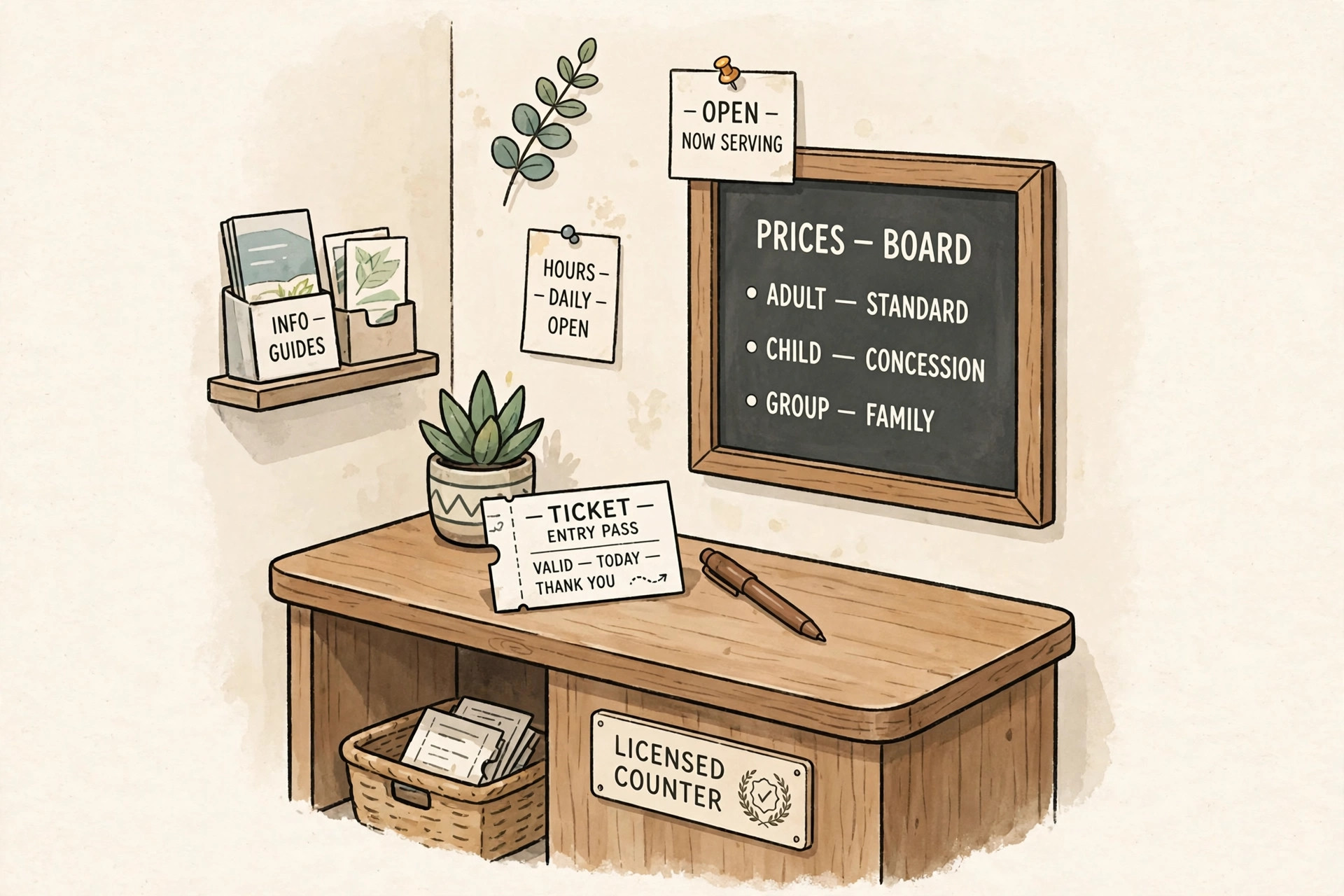
A teer counter is the physical, licensed point of sale where tickets are sold and prizes are paid. Counters are run by authorised ticket sellers, and they are easy to recognise in towns like Shillong, Jowai, and Khanapara, where teer is most popular. A shillong teer counter is usually a small shop or kiosk displaying the day’s session information, the ticket price board, and the declared results from earlier rounds. Understanding how these counters operate helps you buy your ticket correctly and avoid mistakes.
Finding an authorised counter
Authorised counters are licensed by the state government, and only these counters can legally sell teer tickets. This is the single most important safety rule in this entire guide. Unlicensed sellers, roadside touts, and online agents claiming to sell teer tickets over messaging apps are not authorised, and money paid to them is not protected by any official process. If you win on a ticket bought from an unauthorised seller, you have no reliable way to claim your prize. Always buy from a counter that is clearly licensed and displays the official association branding.
Step-by-step: buying your first ticket
Buying a teer ticket is simple once you know the routine. Here is how it usually goes.
Step 1 – Choose your round. Decide whether you are playing the first round or the second round of the session. Each round has its own ticket sale window and its own declared result.
Step 2 – Choose your numbers. Pick one or more two-digit numbers between 00 and 99. You can play a single number or several numbers on one slip, depending on what the counter allows.
Step 3 – Choose your amount. Tell the seller your stake per number, using the available denominations (for example, Rs 10 or Rs 50 per number). The total teer ticket price on your slip is the stake per number multiplied by the number of numbers you play.
Step 4 – Pay and collect the slip. Pay the total amount, and the seller issues your printed or handwritten ticket slip showing the date, round, numbers, and stake.
Step 5 – Check the slip before leaving. Verify that your numbers, the round, and the amount are correct. Corrections are much easier to make at the counter than after you leave.
Ticket sale windows and cut-off times
Ticket sales for each round close before the archers begin shooting for that round. The cut-off time is strict: if you arrive after the sales window closes, the counter cannot sell you a ticket for that round, and you will need to wait for the next round’s window. Morning, day, and night sessions each run their own windows. Because exact timings can shift with the season and the organising association, ask your counter about the day’s sale windows when you visit rather than relying on old timings you remember.
Teer Ticket Price vs Prize Payouts
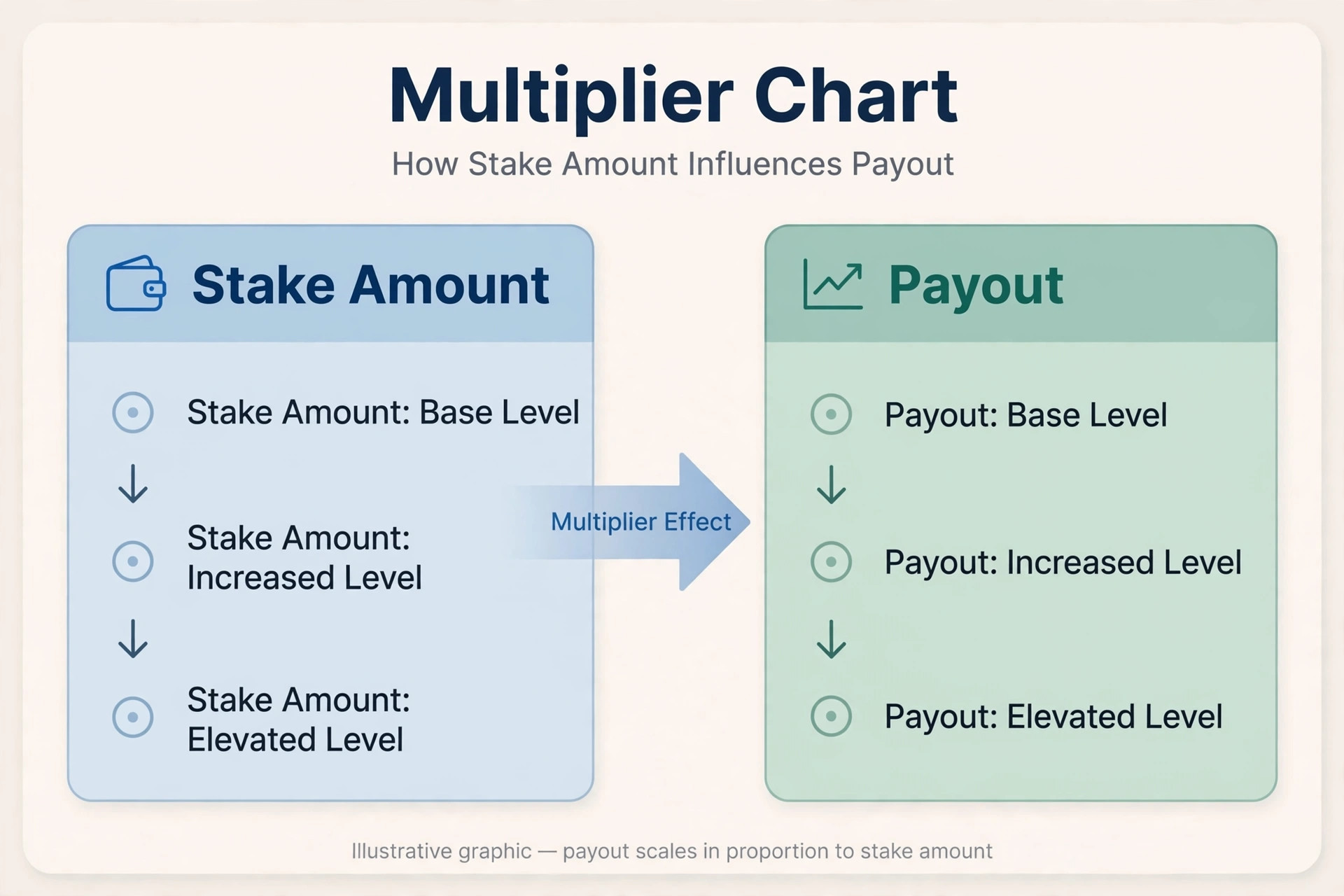
The relationship between the teer ticket price you pay and the prize you can win is straightforward once you understand the multiplier system. Teer prizes are calculated as a fixed multiple of the stake printed on your winning slip. This means a larger stake multiplies the same way every time, and there is no jackpot pool to track.
How the multiplier works
The commonly reported payout rates for teer are Rs 80 for a direct hit in the first round and Rs 60 for a direct hit in the second round, per rupee of stake. In practical terms, this means a Rs 10 ticket that wins the first round pays Rs 800, and a Rs 10 ticket that wins the second round pays Rs 600. These rates are widely published by teer information sources, but they are not guaranteed by law in the form you can cite, so treat them as the standard industry practice rather than a statutory promise. If a counter advertises different rates, ask for them in writing on the price board before you play.
A worked example (example only, not a real result)
Suppose you play the number 45 (used here as an example only, not a real result) in the first round with a stake of Rs 50. Your total teer ticket price for that play is Rs 50. If the declared first round result matches your number, your prize at the standard Rs 80 multiplier would be Rs 4,000. If you had instead played the same number in the second round at Rs 50, a win at the standard Rs 60 multiplier would pay Rs 3,000. The same logic applies to any stake: multiply your ticket amount by the round’s standard rate to find the gross prize.
Playing multiple numbers
Many players spread their stake across several numbers. If you play five numbers at Rs 10 each, your total ticket price is Rs 50. Only the numbers that match the declared result pay prizes; the stakes on non-matching numbers are forfeited. Some players also combine plays across both rounds, buying a first round ticket and a second round ticket on the same day. Each ticket is independent: a win in one round does not depend on the other, and each slip is claimed separately at the counter.
Claiming your prize
To claim a prize, take your winning slip back to the same counter where you bought it. The seller verifies the slip against the declared result and pays you in cash. Keep these practical points in mind.
- Claim promptly. Counters typically honour slips only for the day’s results, and some associations set a short claim window. Ask the seller about the deadline when you buy.
- Keep the slip intact. A torn, faded, or altered slip can be rejected. Store it away from moisture and heat.
- Confirm large prizes separately. For unusually large wins, the counter may follow the association’s formal claim procedure, which can involve verifying the serial details of the slip. Allow time for this.
- After you check the official results, make sure the round and date on your slip match the result you are comparing against. Many claim disputes come down to mixing up the first round with the second round or one day with another. You can cross-check declared results on our teer result list before visiting the counter.
Buying Tickets for Different Teer Sessions
Teer is organised in sessions by different associations across Meghalaya and the bordering areas of Assam. The best-known sessions are Shillong Teer, Juwai Teer, and Khanapara Teer, and morning and night sessions also run at certain venues. The teer ticket price is broadly similar across sessions because the underlying game is the same, but there are practical differences worth knowing.
Shillong Teer tickets
Shillong Teer is the flagship session, held daily (except Sundays) in the state capital. The teer counter network in Shillong is the largest, which means you have plenty of choice of licensed counters and the sale windows are easy to find. Ticket pricing here is the baseline that other sessions tend to follow. If you are visiting Shillong, buy your tickets well before the first round’s cut-off, because counters near the archery ground can get crowded close to the deadline.
Juwai Teer tickets
Juwai Teer runs in the Jaintia Hills region with the same two-round format. The ticket buying process is identical, and prices follow the same denomination pattern. The main difference is the schedule: Juwai’s rounds run at their own times, so confirm the sale windows at a local counter rather than assuming Shillong’s timings apply. For session timings and declared numbers, see our Juwai Teer result page.
Khanapara Teer tickets
Khanapara Teer serves the Guwahati border region and follows the same authorised-counter model. Because Khanapara sits on the Assam-Meghalaya border, players sometimes ask whether tickets can be bought on the Assam side. The legal answer matters here: teer is a Meghalaya state lottery, and tickets must be bought from counters authorised under Meghalaya’s rules. Buy from a licensed counter, not from informal sellers who may operate outside the licensed system.
Morning and night sessions
Morning teer sessions and night teer sessions exist at some venues as additional plays. Ticket sales for these sessions follow the same rules, with their own cut-off times. The teer ticket price does not automatically change for morning or night sessions; it follows whatever the organising association sets for that session. If you want to play a morning session, plan ahead, because sale windows are earlier in the day and close before most people expect.
Can You Buy a Teer Ticket Online?
This is one of the most searched questions about teer, and the answer needs to be stated clearly. There is no official online ticket sales system for teer run by the state government. Any website, app, or social media account claiming to sell official teer tickets online is unauthorised. Money sent to such sellers is at risk, and tickets bought this way cannot be reliably claimed even if your number wins.
What you CAN do online is check declared results, timings, and general information. Our Shillong Teer result page publishes declared results so you can verify your slip before visiting the counter. You can also use online resources for education, such as the background on the game itself (see the external links below). But the ticket itself is bought in person, at a licensed counter, with cash. Treat any request for online payment for teer tickets as a red flag.
Teer Ticket Price FAQs
How much does a teer ticket cost?
The minimum teer ticket price at most authorised counters is around ten rupees per play. Common denominations are Rs 10, Rs 20, Rs 50, and Rs 100, though exact options vary by counter and organising association. Your total cost equals the stake per number multiplied by the number of numbers you play.
Where can I buy a teer ticket?
Teer tickets can only be bought at licensed, authorised counters in Meghalaya. These are physical shops or kiosks run by authorised ticket sellers. There is no official online sale of teer tickets, and tickets offered through messaging apps or unofficial websites should be avoided.
How are teer prizes calculated from the ticket price?
Prizes are paid as a multiple of the stake on your winning slip. The standard practice reported across teer information sources is Rs 80 per rupee of stake for a first round win and Rs 60 per rupee for a second round win. A Rs 10 first round winning ticket therefore pays Rs 800 at the standard rate.
What is the difference between the first round and second round ticket?
Each round is a separate play with its own sale window, its own archery shooting, and its own declared result. You need a separate ticket for each round you want to play. The ticket slip shows which round it covers, and you can only win the round printed on your slip.
Can I play the same number in both rounds?
Yes. You can buy a first round ticket and a second round ticket with the same number, or with different numbers. Each ticket is independent, so a win in one round does not affect the other. Buying both rounds simply doubles your total spend for that day.
Do ticket prices change on Sundays or holidays?
Teer is not held on Sundays, and sessions are also paused on certain public holidays, so there are no tickets to buy on those days. On normal playing days, prices follow the counter’s standard board. Special sessions or additional rounds may carry their own pricing, so check the counter’s notice board.
Is teer legal, and who can buy a ticket?
Teer is a legal lottery in the state of Meghalaya, organised under state rules. It is strictly for adults aged 18 and above. Players should also note that the game is authorised only in Meghalaya, so buy tickets from licensed counters within the state’s licensed system.
Responsible Play and the Legal Rules
Teer is a form of gambling, and every guide about the teer ticket price should close with the rules that protect you. Teer is legal in Meghalaya and strictly for adults aged 18 and above. Only licensed counters may sell tickets, and only declared, official results determine winners. There are no legal shortcuts, no guaranteed numbers, and no official online ticket sales.
Play within limits you can afford. The small minimum ticket price makes it tempting to buy many slips, but each ticket is an independent stake that is forfeited if your number does not match. Set a daily budget before you visit the counter, and treat teer as entertainment rather than income. If you or someone you know struggles with gambling, seek support rather than chasing losses.

Conclusion
The teer ticket price is one of the simplest parts of the game to understand: tickets typically start at around ten rupees, come in small fixed denominations, and pay prizes as a standard multiple of your stake. The important parts are buying from a licensed counter, checking your slip carefully, and claiming any winnings at the same counter using the declared results. Keep this guide bookmarked, start with small stakes, and visit the Best Teer Result homepage for daily results, timings, and session information across Shillong, Juwai, and Khanapara.
Sources: For background on the game of teer itself, see Teer on Wikipedia and the Government of Meghalaya portal. For daily declared results, visit Best Teer Result.