
Most people check the assam teer result the hard way: a fresh search every day, a click on whichever page looks newest, and a quiet hope that the numbers are genuine. There is a smarter way. The followers who never get fooled and never waste time share a small set of habits: they use archives and result lists instead of random pages, they know how to spot a fake result site in seconds, they verify important numbers across two sources, and they keep their playing habits responsible. This guide teaches you that smarter way, built around the Khanapara game near Guwahati that Assam teer followers know so well.

Why Smart Followers Start With the Archive
A result archive is the least glamorous and most powerful tool in teer following. It is simply the ordered list of past days with their declared FR and SR numbers, and it changes how you relate to the game. Instead of treating each day as an isolated event, you see the rhythm: six playing days a week, the usual Sunday pause, the occasional festival holiday, and the normal ebb and flow of declaration times.
The archive protects you in three concrete ways. First, it settles disputes with yourself. Did yesterday’s SR really declare that number, or are you misremembering? The archive answers instantly. Second, it exposes fake history. Some low quality sites quietly rewrite past numbers or fill holidays with invented figures; comparing their “history” against a trusted archive reveals the tampering. Third, it keeps you honest about what archives can and cannot do. An archive records what happened. It does not predict what will happen, and anyone who tells you otherwise is selling something. We will return to that point, because it is the line between smart following and wishful thinking.
Make the archive your first stop rather than your last resort. When a number matters to you, confirm it in the archive the next day. When a new site impresses you with slick design, check whether its past dates match the trusted record. On this site, the teer result list maintains that ordered history for the Khanapara game, and the Best Teer Result homepage carries the current day’s card.
How to Read an Assam Teer Result List
A result list looks like a simple table, and reading it well is a skill worth five minutes of your time. Each row represents one date, and each row carries the FR number and the SR number declared for that date’s session. Dates run in order, newest first or oldest first depending on the site’s design, and non playing days such as Sundays are either skipped or marked clearly as holidays.
Here is how to use a list properly. Scan the date column first and find the exact date you care about; never read numbers before confirming the date, because rows all look alike. Then read across the row: FR first, then SR, noting which session the list covers. Some lists cover the main afternoon session only, while others include the morning session in separate columns or on a separate page. Know which one you are reading. Finally, treat any row with the “-” placeholder as pending or as a holiday, exactly as you would on a daily card. The placeholder means the same thing in a list as it does on a live page: nothing has been declared for that slot.
A well kept list also teaches you the game’s calendar without any extra study. After a few weeks of glancing at it, you will know the Sunday pattern by heart, you will recognise festival breaks, and you will stop worrying when a holiday row appears. That background calm is one of the quiet rewards of using lists instead of chasing each day in isolation.
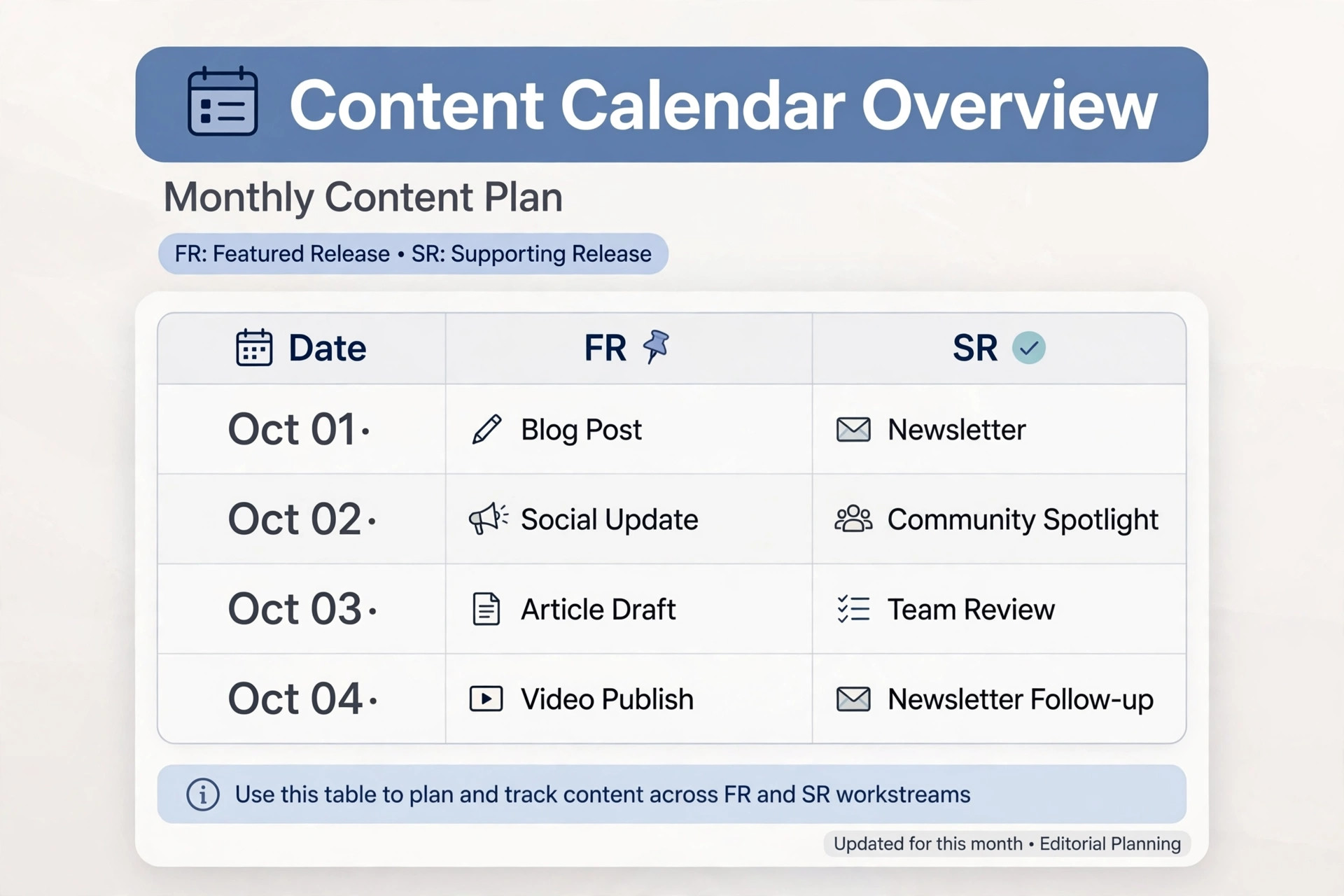
Assam Teer Result: Daily Card Versus Archive List
Beginners often wonder whether they should watch the daily card or study the archive list, as if they must choose. The smart answer is that the two serve different jobs and you need both.
The daily card is your now tool. It tells you what has been declared today, shows the honest “-” placeholder for pending rounds, and is what you check in the mid afternoon for the FR and later for the SR. Its strength is freshness; its weakness is that it shows only one day, which makes it easy to misremember yesterday or to accept a wrong number without anything to compare against.
The archive list is your memory tool. It cannot tell you today’s pending round, but it remembers every declared day faithfully. Its strength is context; its weakness is that it is always one step behind the live moment. Use the card for today and the list for everything else, and let each cover the other’s blind spot. A follower who uses both is very hard to mislead, because a fake number would have to survive both the live cross check and the archive comparison, and invented numbers rarely survive either.
How to Spot a Fake Assam Teer Result Site
This is the most valuable section of this guide, because fake result pages are the main way followers get misled. The fakes are not always obvious; some look professional. But they almost always betray themselves through the same handful of signals. Learn these and you can judge any new site in under a minute.
Red Flag 1 – Numbers appear impossibly early
The archery takes time and the counting takes time, so a genuine number cannot exist before the round is complete. If a site shows a “confirmed” FR number while every established page still shows the “-” placeholder, that site is not faster than the others. It is inventing the number. Genuine speed follows the real event; impossible speed is fabrication.
Red Flag 2 – No market, session, or date labels
A trustworthy card always tells you which game, which session, and which date you are looking at. Pages that show bare numbers with no labels are either careless or deliberately vague, because unlabeled numbers can be recycled from other markets or other days without anyone noticing. If you have to guess what a number belongs to, leave the page.
Red Flag 3 – Prediction content dressed as information
Pages offering “common numbers”, “hit numbers”, “target numbers”, or “sure numbers” for rounds whose arrows have not been shot yet are waving the biggest red flag of all. The result comes from counting arrows that hit a target; before the shooting, there is nothing to know. Prediction content proves the site is in the invention business, which means its “results” deserve no trust either.
Red Flag 4 – Aggressive popups and forced downloads
Some fake pages exist mainly to serve ads or push downloads, and the teer numbers are just bait. Endless popups, fake “update” buttons, and forced app installs signal that the page’s business is your clicks, not accurate results. A genuine result page is boring in the best way: the card, the date, the numbers, done.
Red Flag 5 – History that does not match trusted archives
Invented sites sometimes pad their archives with plausible looking past numbers, including numbers for Sundays and holidays when no game was held. Compare any unfamiliar site’s history against a trusted list. Numbers on dates that were definitely holidays are proof of fabrication, and one proven fabrication is enough to discard the whole site.
Green Flags of a Trustworthy Page
The positive signals are the mirror image: clear market and session labels on every card, the honest “-” placeholder before declaration, declaration times that track the real archery schedule, an archive whose holidays match reality, and a calm page free of prediction hype. Collect two or three pages with these traits, bookmark them, and you will rarely need to search again.
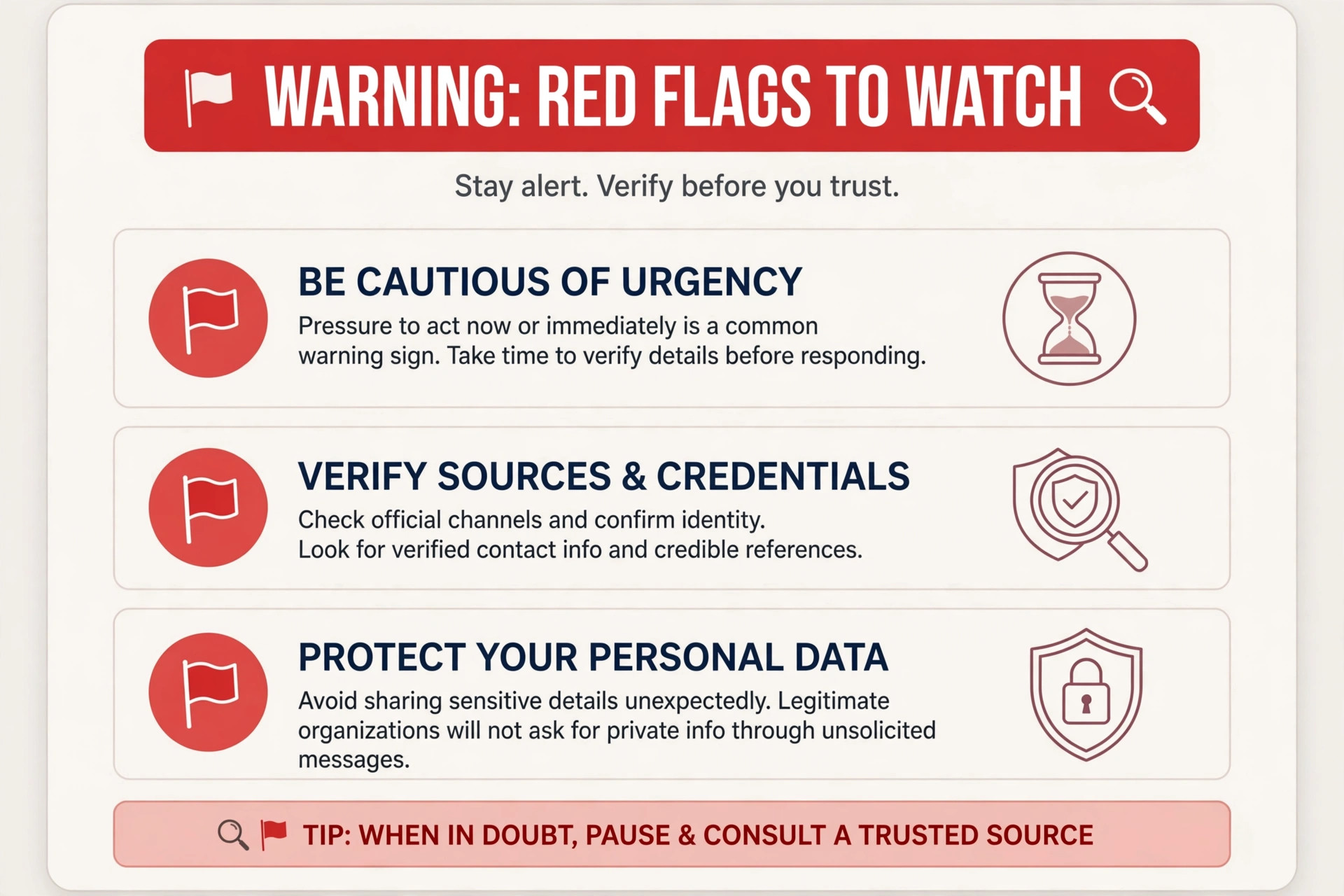
The Two Source Verification Habit
Even with trusted bookmarks, build one verification habit for the moments when a number truly matters to you. Open your primary result page and one independent second source, and compare the FR and SR figures. When both agree, the number is confirmed as far as any follower can confirm it. When they disagree, wait. Disagreements between established pages are rare and almost always resolve within the hour as the slower page catches up with the genuine declaration.
This habit costs you thirty seconds and buys you near certainty. It is especially worth using on days with delayed declarations, because delays are when the gap between honest pages and inventive pages is widest. The honest pages show “-” and wait; the inventive pages fill the gap with guesses. Your two source check automatically sides with honesty every time.
For day to day following, the dedicated session pages make this easy. The Khanapara teer result page covers the main afternoon session and the Khanapara morning teer result page covers the morning session, so each check starts from a clearly labelled card and your comparison stays apples to apples.
What Archives Can and Cannot Tell You
Smart followers love archives, but the smartest ones know the archive’s limits. This distinction matters because misunderstanding it leads people straight into prediction scams.
What an archive can tell you is factual and useful: which dates were playing days, what each session declared, how often delays happen, and what the normal declaration rhythm looks like across weeks and seasons. This is genuine knowledge about the game, and it makes you a calmer, better informed follower.
What an archive cannot tell you is what the next round will declare. Each round is a fresh archery event with new arrows and a new count, and the past counts do not steer the future ones. Any system that claims to squeeze predictions from historical numbers, whether it calls itself a formula, a chart, or an insider trick, is repackaging randomness as insight. The archive is a record, not a crystal ball. Respecting that boundary is what keeps smart following smart; crossing it turns a sensible habit into an expensive superstition.
This is also why you should never pay for numbers. No seller can know the outcome of arrows that have not been shot. Paid “sure number” services are scams by definition, and free prediction pages are at best entertainment. Your archive habit protects your wallet as well as your judgment.
Building Your Own Daily Checking Routine
With the concepts in place, here is a concrete routine you can adopt from tomorrow. It takes only a few minutes a day and removes nearly all the friction from following the game.
Start by bookmarking three pages: the homepage card for today, the archive list for history, and the morning session page if you follow that session. Going directly to bookmarks instead of searching fresh each day keeps you away from low quality pages that search engines surface. Next, fix three check moments in your day: late morning for the morning session, mid afternoon for the afternoon FR, and a return visit for the afternoon SR roughly an hour later. Between those moments, do not refresh. The archers set the pace, and no amount of reloading hurries the counting.
Then set your delay rule in advance. Decide now that if a round is more than an hour past its usual window, you will do your two source check once, note the round as pending, and move on with your evening. The number will be in the archive tomorrow. Finally, do a weekly glance at the list every Sunday or Monday morning: confirm the past week’s rows look complete, note any holiday, and start the new week with a clean mental slate. This tiny weekly review is what turns casual checking into genuinely smart following.
Responsible Play Habits for Assam Teer Followers
Following results smartly goes hand in hand with playing responsibly, so let us be direct about it. Teer is a legal lottery in Meghalaya, conducted under state supervision, and participation is strictly for adults aged 18 and above. If you are under 18, the result pages are for curiosity only. You can read more about the state’s framework on the Meghalaya government portal, and the traditional sport of archery behind the game has a history worth appreciating on its own.
For adults who play, responsible habits are simple but non negotiable. Fix an entertainment budget before the day begins and treat it as spent the moment you allocate it. Never borrow money to play and never play with money meant for essentials. Never chase a loss by increasing your play; a lost round is gone, and trying to win it back is how small losses become big ones. Keep teer as entertainment with a known cost, the way you would budget for any other leisure. And pay attention to your own behaviour: if checking results starts feeling compulsive, if delays make you anxious rather than mildly curious, or if you are hiding your play from family, those are signals to step back. The game will still be there later. No number is worth your peace of mind or your financial stability.
Frequently Asked Questions
How can I tell if an assam teer result website is fake?
Watch for the classic red flags: numbers published impossibly early while trusted pages still show the “-” placeholder, cards with no market session or date labels, prediction content like “sure numbers” or “hit numbers”, aggressive popups and forced downloads, and archive history that lists numbers for Sundays or holidays when no game was held. One proven fabrication is enough to discard a site permanently.
What is the smartest way to follow the assam teer result daily?
Bookmark a trusted homepage card, the archive list, and the session pages you follow, then check at three fixed moments: late morning for the morning session, mid afternoon for the FR, and about an hour later for the SR. Verify important numbers across two independent sources, and let the archive confirm anything you are unsure about the next day.
Can past assam teer results predict future numbers?
No. Each round is a fresh archery event with new arrows and a new count, so historical numbers do not influence upcoming rounds. Archives are records of what happened, not forecasts. Any formula, chart, or paid service claiming to predict results from past data is misleading you, and paid “sure number” sellers are running a scam.
Why do two result sites sometimes show different numbers?
On a normal day this is rare and brief: one page has updated with the genuine declaration and the other is still catching up, and they converge within the hour. During delays the gap can look wider because honest pages show “-” while inventive pages publish guesses. Wait for agreement between established sources before treating a number as confirmed.
Should I check the morning session and afternoon session on the same page?
Only if the page clearly labels which session each number belongs to. Mixing an unlabeled morning number with afternoon expectations is a common error. Using dedicated pages, such as separate Khanapara and Khanapara morning result pages, removes the ambiguity entirely.
Is it safe to download apps from teer result sites?
Be cautious. Many aggressive result pages push downloads that have nothing to do with accurate results. Only install apps from official app stores, check their reviews and permissions, and remember that no app can show you a genuine number before the archery is counted. A simple bookmarked web page is usually all you need.
Conclusion
Following the assam teer result the smart way comes down to a few durable habits: lean on the archive list for memory and context, use the daily card for the live moment, verify important numbers across two sources, recognise fake sites by their red flags, and keep your playing habits firmly responsible. The game itself is simple; the skill is in how you follow it. Build this routine once, and every day after that is calm, quick, and free of doubt.