
If you are new to teer results, the phrase khanapara teer previous result might look confusing. It is actually very simple. It means the winning numbers that were declared on past days for the Khanapara Teer game. This beginner guide explains everything from zero: what the game is, what the numbers mean, where old results are kept, and how to read them without making the mistakes that confuse most newcomers. No prior knowledge is needed. By the end, you will read any previous result like someone who has followed the game for years.
Khanapara Teer is a lottery game based on archery, played near Guwahati in Assam. Do not worry if you have never seen it played. You do not need to watch the game to understand its results. All you need to know is that every playing day produces two winning numbers, and those numbers are published for everyone to see. Old numbers are stored in an archive, which is simply a list of past days and their numbers.

What Does Khanapara Teer Previous Result Mean
Let us break the phrase into pieces. Khanapara is the place where this version of the game is played. Teer is the name of the game itself, an archery based lottery that is legal in Meghalaya. Previous result means a result from a past day, as opposed to today’s live result. Put together, a khanapara teer previous result is the winning number, or numbers, declared on some earlier date for the Khanapara game.
People look up previous results for simple reasons. They may have missed the live announcement and want to know what happened yesterday. They may want to check a number they wrote down. Or they may just be curious about the game’s history. All of these are normal, and the archive exists to serve exactly these needs.
One thing to understand early: a previous result is history. It tells you what happened, and it cannot tell you what will happen next. Every round of the game is a fresh, independent event. This guide will help you use old results correctly, as records, and will also warn you where beginners typically go wrong.
The Two Numbers Every Day: FR and SR Explained Simply
Every playing day has not one but two winning numbers. This surprises many beginners, so let us make it completely clear. The game is played in two rounds each day. The first round is called FR, which is short for first round. The second round is called SR, short for second round. Each round produces exactly one winning number.
Think of it like two separate small games happening on the same day. In the first round, archers shoot, the hits are counted, and one number is declared. Later, the second round happens independently: new shooting, new counting, and a second number is declared. The two numbers have nothing to do with each other. Knowing the FR number tells you nothing about the SR number, and neither tells you anything about tomorrow.
Each winning number always has two digits, from 00 to 99. You might see numbers like 07, 23, 58, or 91. Notice that 07 is written with a zero in front. This leading zero is important and must never be dropped. The number 07 and the number 70 are completely different results. Whenever you read or write a teer number, always keep both digits.
When you see a previous result written as FR 07 and SR 58 (example only, not a real result), read it as: on that date, the first round declared 07 and the second round declared 58. That is the whole story of the day, told in two numbers.

What the Game Is: Archery in Plain Words
You do not need deep knowledge of the game to read its results, but a simple picture helps everything make sense. Teer is based on archery, the sport of shooting arrows at a target. At the Khanapara teer ground, a group of archers shoots arrows at a target over a fixed period. Officials then count how many arrows hit the target.
Here is the key step: only the last two digits of that count become the winning number. If 1,247 arrows hit the target, the winning number is 47, because 47 are the last two digits of 1,247. If 2,030 arrows hit, the number is 30. If the count ends in 07, the number is 07, with the zero preserved. This is why every result is a two digit number, and why the numbers can be anything from 00 to 99.
This happens twice a day, once for FR and once for SR, with separate shooting and separate counting each time. The game is regulated and legal in Meghalaya, and it is open to adults aged 18 and above only. Understanding this simple mechanism is enough. You never need to analyze the archery itself to use the results correctly.
Where Old Results Live: The Archive Tour
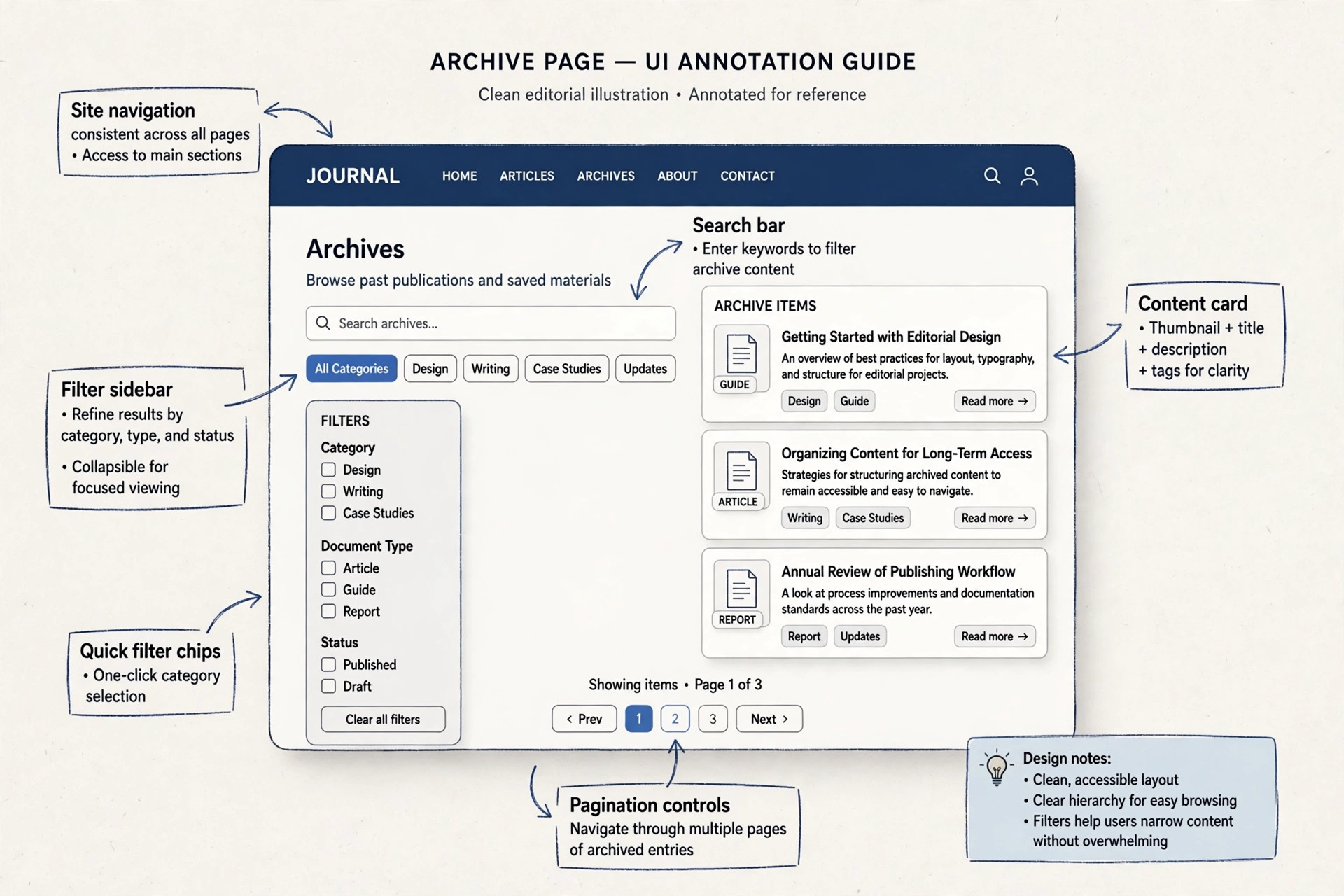
Previous results are kept in the archive, which is a section of the result website listing past days and their numbers. Think of it as a diary of the game. Let us take a mental tour of a typical archive so nothing surprises you.
At the top of the archive, you find the most recent dates. Archives are ordered newest first, which means yesterday’s result is near the top, last week’s results are a short scroll down, and last month’s results are further down. This ordering exists because most visitors want recent dates, so the archive puts them first.
Each row of the archive represents one day. A row shows the date, the FR number, and the SR number. Some archives also show the day of the week, which is helpful. Reading a row is simple: on this date, FR was this number and SR was that number. The Best Teer Result homepage presents the archive in this clean row format, so your first visit will feel familiar after this tour.
Below the recent rows, older dates continue in the same pattern. For very old dates, the archive may offer page numbers or a month selector to jump back quickly. And on the teer result list page, you will find an extended version of these records for deeper lookups.
One more sight to recognize: the dash. Sometimes a row shows a dash instead of a number. A dash means no result was declared for that round on that day. This happens on Sundays, when no game is played, and on holidays. A dash is not zero. The number 00 is a real result, while a dash means there was no result at all.

Reading Your First Result List Row
Let us walk through reading one row together, slowly, so the method becomes second nature. Imagine the archive shows a row for a recent date. Here is what to do.
First, read the date at the start of the row and say it to yourself. Confirm it is the date you actually want. Beginners often read the numbers first and check the date later, which is backwards. The date is the foundation. Everything else in the row belongs to that date.
Second, find the FR column heading and read the number beneath it. That is the first round’s winning number for the date. Third, find the SR column heading and read the number beneath it. That is the second round’s number. You have now read the complete story of that day.
Fourth, do a quick sanity check. Are both numbers two digits? Is the date a playing day rather than a Sunday? Does the row look complete rather than half filled? These checks take seconds, and they catch the rare display glitch before it misleads you.
Practice this four step method, date, FR, SR, sanity check, on a few rows. After three or four rows, it becomes automatic. This is the single most useful skill in this entire guide, because every other use of previous results builds on reading a row correctly.
Morning and Day: Why There Are Two Sets of Numbers
Beginners are often confused to discover that Khanapara has two separate result histories. Here is why. Khanapara Teer is played in two sessions: a morning session and a main day session. Each session is a complete, independent game with its own FR and SR rounds. The morning session declares its numbers around late morning, and the day session declares its numbers in the afternoon.
This means there are really two archives, not one. The morning archive holds the morning game’s history, and the day archive holds the day game’s history. A number from the morning session can never appear in the day archive, and mixing them creates confusion. When you look up a previous result, always confirm which session you are viewing. The Khanapara Morning Teer result page covers the morning game, while the Khanapara Teer result page covers the main day game.
If someone mentions a Khanapara number without saying which session, ask. A number without a session is only half identified. This one question, morning or day, resolves more beginner confusion than any other.
Words You Will See: A Small Glossary
Result websites use a handful of special terms. Learning them now will make every page you visit easier to read.
FR means first round, the day’s first archery session and its declared number. SR means second round, the day’s second session and its number. Previous result means any declared number from a past date. Archive is the collection of all previous results, organized by date. Result list is the archive displayed as rows, one per date.
Declaration is the official announcement of a round’s number. A delayed declaration means the announcement is running late, which sometimes happens. Session means either the morning game or the day game, each with its own results. A holiday in this context is a day when no game is played and no numbers are declared.
Leading zero is the zero at the front of numbers like 07. Preserving it matters because 07 and 70 are different results. That is the entire vocabulary you need. Every result page is written with these words, and now they are yours.
Beginner Mistakes and How to Avoid Them
Every beginner makes a few predictable mistakes. Knowing them in advance lets you skip the learning curve entirely.
The first mistake is mixing FR and SR. A newcomer reads the SR number thinking it is the FR number, or vice versa. The fix is the reading method from this guide: always check the column headings, and always read in the order date, FR, SR.
The second mistake is mixing the morning and day sessions. The fix is the session check: confirm whether the page shows the morning or the day game before reading anything.
The third mistake is dropping the leading zero. Writing 7 instead of 07 seems harmless, but it changes the number completely. The fix is to always write both digits, and to say zero seven aloud when telling someone the number.
The fourth mistake is trusting forwarded screenshots. Messages with result images circulate widely, and many are outdated or edited. The fix is to treat every forwarded number as unverified until you confirm it in the archive yourself.
The fifth mistake is reading a Sunday as a playing day. No game is held on Sundays, so any number claimed for a Sunday is wrong by definition. The fix is a glance at the calendar whenever a date feels uncertain.
The sixth mistake is the most important to avoid: treating old numbers as hints about future numbers. Past results are history. Each round is independent. No pattern in old numbers changes what the next round will declare. Enjoy the archive as a record, and leave prediction out of it entirely.
Your First Week as a Result Reader
Here is a gentle plan for your first week, turning this guide into habit. On day one, open the archive and practice the four step reading method on five rows: date, FR, SR, sanity check. Do not worry about speed. Accuracy first, speed later.
On day two, find yesterday’s result using the thirty second method: open the result page, read the first archive row, confirm the date. On day three, look up a date from last week using the month selector or the browser find function. On day four, compare the morning and day archives side by side for the same date, and notice how the four numbers are completely independent.
On day five, start your own mini record. Write down the date, session, FR, and SR for that day in a notebook, preserving the leading zeros. On day six, review your week’s notes against the archive and fix any slip. On day seven, rest, because there is no game on Sunday, and your archive will show a well earned blank row. One week of this practice makes you a confident reader for life.
Frequently Asked Questions
What is a khanapara teer previous result in simple words?
It is the winning number declared on a past day for the Khanapara Teer game. Each past day has two numbers, one for the first round (FR) and one for the second round (SR). Previous results are stored in the archive, organized by date with the newest dates first.
How many numbers does each day have?
Two for each session. The FR number comes from the first round and the SR number comes from the second round. Since Khanapara has a morning session and a day session, a full day actually has four numbers in total: morning FR, morning SR, day FR, and day SR. Each pair lives in its own archive.
Why do numbers like 07 keep the zero in front?
Because every teer number is exactly two digits, and 07 is a different result from 70. Dropping the zero changes the number completely. Always write and read both digits, and say zero seven when telling someone the number aloud.
What should I do if I see a dash instead of a number?
A dash means no result was declared for that round on that day. This is normal on Sundays and holidays when no game is played. It is not the same as the number 00, which is a real declared result.
Can old results tell me what number will come next?
No. Each round is an independent event, and past numbers have no effect on future ones. Previous results are useful as records and for checking old numbers, but they cannot predict anything. Anyone who claims otherwise is misleading you.
Where is the safest place to check a previous result?
The archive on a maintained teer result website, because it is updated from the official declaration and reflects any corrections. Forwarded screenshots and messages are less reliable, since they can be outdated, cropped, or edited. When in doubt, the archive is the answer.
Conclusion
You now know everything a beginner needs about the khanapara teer previous result. It is simply the pair of numbers, FR and SR, declared on a past date, stored newest first in the archive, with morning and day sessions kept separate. Read each row as date, then FR, then SR. Keep both digits of every number. Distrust forwarded screenshots until the archive confirms them. And remember that history is history: old numbers record what happened, nothing more. With these basics, every result page you visit from today on will make perfect sense.
Teer is a legal lottery game in Meghalaya, open to adults aged 18 and above only. Please play responsibly.